
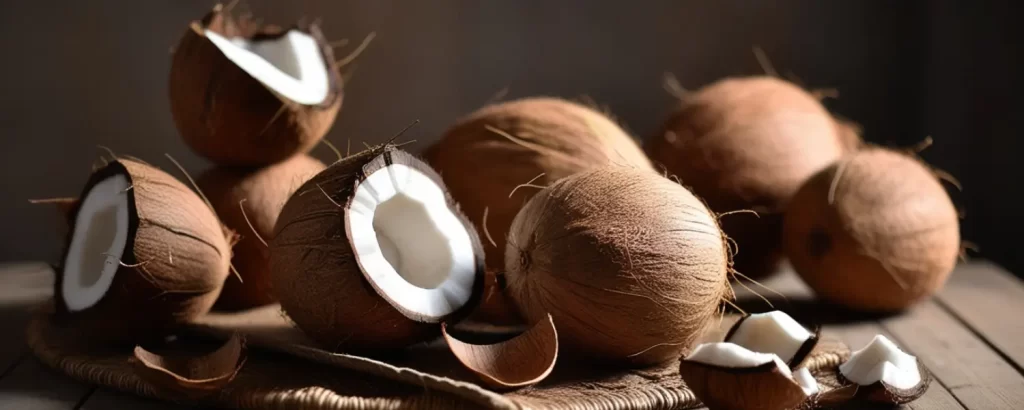
India, one of the world’s largest coconut producers, is a prime market for sourcing high-quality semi-husked coconuts. These coconuts, with a portion of their husk retained, offer a longer shelf life and are easier to handle, making them a preferred choice for importers globally. The unique agro-climatic conditions in India’s southern states, such as Kerala, Tamil Nadu, Karnataka, and Andhra Pradesh, contribute to the superior taste, texture, and nutritional profile of the coconuts grown here. This article explores the top seven countries that are leading importers of these sought-after semi-husked coconuts from India.
The Allure of Indian Semi Husked Coconut
Before diving into the top importing countries, it’s essential to understand why Indian semi-husked coconuts are in high demand. The ‘semi-husked’ nature means that the tough outer layer is partially removed, leaving a protective tuft over the coconut’s ‘eyes’. This traditional method of processing enhances the shelf life of the coconut, preventing germination and protecting the inner kernel from damage during transit.
Indian coconuts are renowned for their thick, fleshy meat and sweet, refreshing water. They are a versatile commodity, used for culinary purposes, oil extraction, and in the production of various value-added products like desiccated coconut and coconut milk. The states of Tamil Nadu, particularly the Pollachi region, and Kerala are famous for producing coconuts that are ideal for export, characterized by their optimal size, weight, and maturity.
Top 7 Importing Nations
Several countries across the globe rely on India for a steady supply of semi-husked coconuts. The following seven nations stand out as the top importers, driven by their culinary traditions, large expatriate Indian populations, and the burgeoning demand for healthy, natural food products.
1. United Arab Emirates (UAE)
The UAE is consistently one of the top importers of Indian semi-husked coconuts. The strong trade relations between the two countries, coupled with a large South Asian diaspora, create a consistent demand for fresh coconuts. They are an integral part of daily cooking in many households and are also widely used in the food service industry. The proximity of ports and efficient shipping routes further facilitate this bustling trade.
2. China
China has emerged as a significant market for Indian coconuts. The growing interest in tropical fruits and the perceived health benefits of coconut water and oil have fueled this demand. Chinese importers value the quality and taste of Indian coconuts, which are used in a variety of culinary applications, from traditional soups to modern beverages and desserts. The large volume of exports to China underscores the growing appeal of the Indian coconut in the East Asian market.
Import products for your Needs

3. Qatar
Similar to the UAE, Qatar has a substantial expatriate population from the Indian subcontinent, which drives the demand for familiar food products, including coconuts. The country’s thriving economy and high disposable income also contribute to the popularity of imported goods. Indian semi-husked coconuts are a common sight in Qatari markets, catering to both household consumers and the hospitality sector.
4. Iran
Iran has historically been a strong market for Indian agricultural products, and semi-husked coconuts are no exception. Despite geopolitical and economic challenges, the trade in coconuts remains robust. The demand is largely for fresh consumption and for use in the local food industry. The preference for Indian coconuts is due to their consistent quality and competitive pricing.
5. Vietnam
Vietnam is a major player in the global coconut market, both as a producer and an importer. Interestingly, it is also a significant importer of Indian coconuts. This is often due to reasons of quality, specific variety requirements for processing, or to supplement their domestic supply to meet the demands of their processing industries, which produce a wide range of coconut-based products for export.
6. Bangladesh
As a neighboring country with strong cultural and culinary ties to India, Bangladesh is a natural market for Indian coconuts. The ease of transportation, both by land and sea, makes it a convenient and cost-effective export destination. Coconuts are a staple ingredient in many Bangladeshi sweets and curries, ensuring a steady and reliable demand.
7. United States of America (USA)
The demand for semi-husked coconuts in the USA is driven by the growing multicultural population and the rising popularity of ethnic cuisines. The health and wellness trend has also played a significant role, with an increasing number of consumers seeking out natural and nutritious foods. Indian coconuts are favored for their rich flavor and are used in a variety of food products, from coconut water and milk to snacks and baked goods.
Frequently Asked Questions (FAQs)
- What is a semi-husked coconut?A semi-husked coconut is a mature coconut that has had a portion of its outer fibrous husk removed, leaving a protective covering over the “eyes” of the coconut. This process helps to extend the shelf life and makes the coconut easier to transport and open.
- Why are Indian semi-husked coconuts popular for export? Indian semi-husked coconuts are popular due to their high quality, which includes a thick, sweet kernel, abundant coconut water, and a longer shelf life. The major coconut-growing regions in India, like Tamil Nadu and Kerala, produce coconuts that are ideal in size and maturity for the international market.
- Which countries are the biggest importers of semi-husked coconuts from India? The top importers of semi-husked coconuts from India include the United Arab Emirates, China, Qatar, Iran, Vietnam, Bangladesh, and the United States of America.
- What are the main uses of imported semi-husked coconuts? Imported semi-husked coconuts are used for a variety of purposes, including direct consumption of the meat and water, culinary applications in both households and restaurants, oil extraction, and as a raw material for producing desiccated coconut, coconut milk, and other value-added products.
- How is the quality of Indian coconuts maintained during export? The quality is maintained through careful selection of mature coconuts, the semi-husking process which protects the nut, and appropriate packaging and shipping methods. Exporters often work closely with farmers to ensure that the coconuts meet the specific quality standards of the importing country.
- What is the difference between a husked and a semi-husked coconut? A husked coconut has its entire outer fibrous husk removed, exposing the hard inner shell. A semi-husked coconut, on the other hand, retains a part of the husk, which helps in preserving the freshness and extending the shelf life of the coconut, making it more suitable for long-distance export.
About us
Exim Internationals is a premier export company dedicated to delivering the finest products from India to international markets. Our mission is to establish India as a global export powerhouse, contributing to economic growth and showcasing the richness of Indian goods worldwide.
From the pashmina shawls and apples of the North to the spices of the South, the fruits and powders of the West, and the tea and bamboo of the East, we connect every corner of India with the global market.
Certification we have: FSSAI, APEDA, IEC, UDYAM, FIEO, Spices Board, Coconut
Contact us
Samin heritage, Sl building, Shop no. 19, Chandan wadi, Almeda road Thane west, Maharashtra, India-400601.
Email Us:support@eximinternationals.com
Call Us: +91 9820446601 | +91 9321559185