Why is Cardamom Spice One of the World’s Most Valuable Spices?
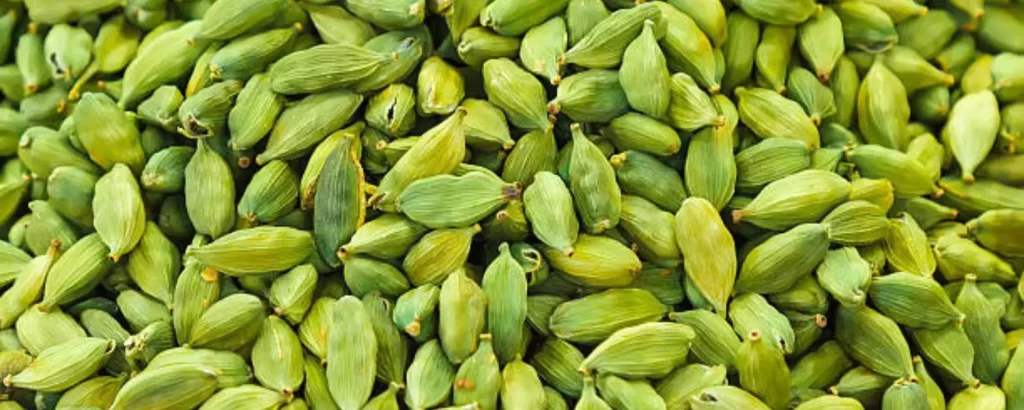
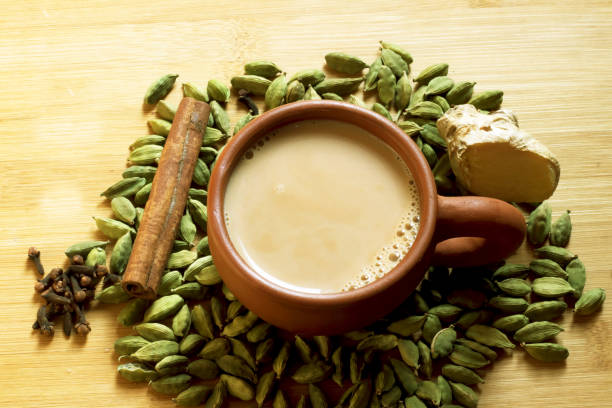
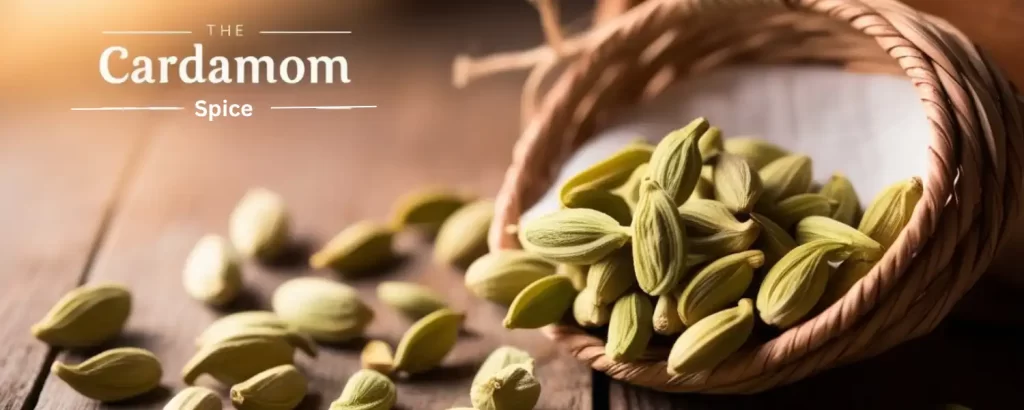
For centuries, cardamom spice has held a coveted position in kitchens and apothecaries around the globe. Revered as the “Queen of Spices,” its intoxicating aroma and complex flavor profile have captivated civilizations, making it a cornerstone of culinary traditions from the Middle East to Scandinavia. But beyond its undeniable sensory appeal lies a fascinating story of meticulous cultivation, limited geography, and burgeoning global demand that solidifies its status as one of the most valuable spices in the world, often trailing only saffron and vanilla in price. The Challenge of Cardamom Cultivation The value of this aromatic treasure begins in the specific and challenging conditions required for its growth. True cardamom spice, or Elettaria cardamomum, thrives in the lush, humid environments of a select few regions, most notably the Western Ghats of Southern India, a region often called the Cardamom Hills. This particular geography provides the ideal combination of rainfall, shade, and well-drained, loamy soil that the delicate plant demands. Unlike hardier spices, cardamom cultivation is not easily scalable; it is a labor of love and immense effort. A Labor-Intensive Harvest The harvesting process is a testament to the spice’s precious nature. Each of the small, green cardamom pods must be picked by hand at the precise moment of ripeness, a window that is remarkably short. This manual, labor-intensive process, often carried out on steep, challenging terrains, is a significant contributor to the final cardamom spice price. The pods are then carefully dried in controlled conditions to preserve their vibrant color, potent essential oils, and intricate flavor. Any misstep in this delicate process can drastically reduce the quality and, therefore, the value of the final product. Global Culinary Demand: A Spice for Every Palate Beyond its arduous cultivation, the sheer versatility of cardamom underpins its high value. In the culinary world, it is a dual-force, shining in both sweet and savory dishes. A pinch of ground green cardamom can elevate a simple cup of coffee or tea into an aromatic experience, a practice deeply ingrained in Middle Eastern culture. In India, it’s a non-negotiable component of biryanis, kormas, and the iconic garam masala spice blend. Meanwhile, Nordic countries have embraced it in their baking, famously scenting breads, buns, and pastries. This global culinary demand, from Michelin-starred restaurants to home kitchens, keeps the spice trade for high-quality cardamom pods bustling. Furthermore, the distinction between green cardamom and black cardamom adds another layer to its value. While green cardamom offers a sweet, floral, and slightly eucalyptus-like flavor, black cardamom provides a smokier, more robust profile, making them suitable for different culinary applications and widening the spice’s overall market appeal. More Than Flavor: The Health Benefits of Cardamom Spice The value of cardamom spice is not limited to its taste and aroma. For millennia, it has been a staple in traditional medicine systems like Ayurveda and Traditional Chinese Medicine. Modern research continues to explore the numerous cardamom spice benefits, which are attributed to its rich concentration of antioxidants and volatile oils. It has been traditionally used to aid digestion, freshen breath, and as a natural anti-inflammatory agent. As consumers worldwide increasingly seek natural wellness solutions, the demand for spices with proven health benefits has surged, further solidifying cardamom’s premium status. Import products for your Needs Ready to Import A Precious Commodity in the Global Spice Trade In the global spice trade, purity and origin are paramount. The market for authentic, high-grade cardamom spice, characterized by its uniform green color, size, and powerful aroma, commands the highest prices. As an exporter and importer navigating this market, understanding these quality markers is crucial. The journey of a single cardamom spice pod from a shaded hillside in Kerala to a spice rack in New York involves a complex supply chain, with each step adding to its final cost. In conclusion, the immense value of cardamom spice is a beautiful confluence of factors. It is a product of a demanding and specific terroir, a testament to intensive, manual labor, and a celebration of unparalleled flavor and aromatic complexity. Its dual role as a culinary superstar and a wellness powerhouse ensures that the global appetite for the “Queen of Spices” continues to grow, securing its place as a precious and highly-sought-after commodity on the world stage. Frequently Asked Questions (FAQs) Q1. What is the main difference between green and black cardamom spice? Green cardamom spice (Elettaria cardamomum) has a delicate, sweet, and floral flavor, making it ideal for both sweets and savory dishes. Black cardamom spice comes from a different plant and has a much bolder, smokier flavor, which is typically used in robust, savory recipes like stews and marinades. Q2. Why is hand-picking essential for high-quality cardamom pods? Cardamom pods on the same plant ripen at different times. Hand-picking allows harvesters to select only the pods that are at their peak of flavor and aroma, ensuring a premium quality product. This meticulous process is key to the high cardamom price. Q3. What are the top health benefits of cardamom spice? Cardamom spice is rich in antioxidants and has been traditionally used to aid digestion, combat bad breath, and reduce inflammation. Modern studies are exploring its potential benefits for metabolic syndrome and its antimicrobial properties. Q4. How can I test the quality of my cardamom spice? High-quality green cardamom pods should have a uniform, vibrant green color and be tightly closed. They should feel firm and release a strong, pleasant aroma when you press one between your fingers. A faded yellow or brown color indicates older, less potent pods. Q5. Which country is the largest producer of cardamom spice? Historically, India was the primary producer. However, in recent years, Guatemala has become the world’s largest producer and exporter of cardamom, although Indian cardamom, particularly from the Cardamom Hills of Kerala, is still often considered a benchmark for high quality. Q6. Is cardamom spice related to ginger? Yes, cardamom is a member of the Zingiberaceae family, which makes it a close relative of ginger and
Why is Cardamom Spice One of the World’s Most Valuable Spices? Read Post »