
exporter

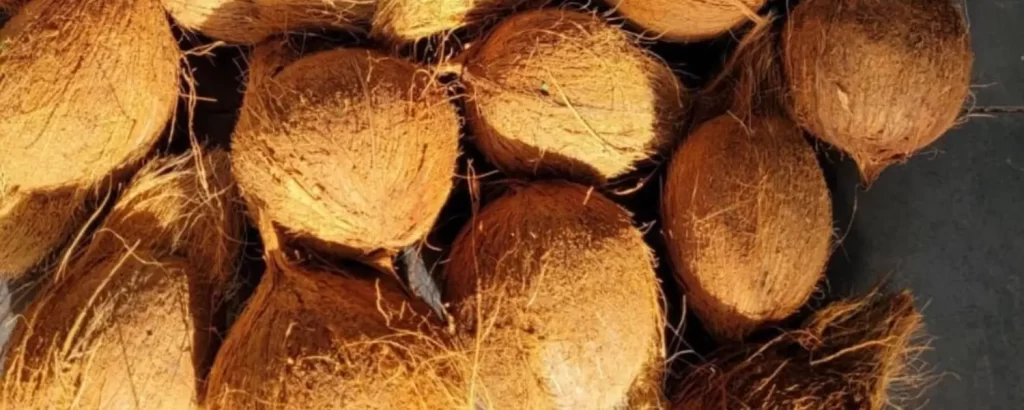
brown coconuts
Export Import Fruits

How is Brown Coconut Used in Cosmetics and Wellness Products?

The humble brown coconut, often pictured on tropical beaches, is far more than just a culinary delight. This mature fruit of the Cocos nucifera tree is a powerhouse of nutrients and versatile compounds, making it a revered ingredient in the global cosmetics and wellness industry. From its luscious oil to its fibrous husk and sturdy shell, every part of the mature coconut is utilized, aligning perfectly with the growing consumer demand for natural, sustainable, and effective ingredients. As a leading name in the export of high-quality coconuts, we’ve seen firsthand the rising demand for brown coconut derivatives in beauty formulations. Let’s delve into the specific ways this tropical treasure is transforming skincare, haircare, and personal wellness routines around the world. The Liquid Gold: Coconut Oil At the heart of the brown coconut’s cosmetic appeal is its oil. Extracted from the rich, white meat (copra), virgin coconut oil is a multi-purpose marvel. Its magic lies in its unique molecular structure, which is rich in medium-chain fatty acids like lauric acid, capric acid, and caprylic acid. Deep Moisturization: Unlike many synthetic moisturizers that simply sit on the skin’s surface, the smaller molecules of coconut oil penetrate the skin’s layers, providing deep hydration and nourishment. It’s a key ingredient in body butters, lip balms, and face creams, helping to fortify the skin’s natural barrier and lock in moisture. Hair Revitalization: For centuries, coconut oil has been used as a natural hair conditioner. It helps to reduce protein loss from hair shafts, preventing breakage and split ends. As a pre-shampoo treatment or a leave-in serum, it tames frizz, adds a brilliant shine, and promotes a healthy scalp. Gentle Makeup Removal: Its oily nature makes it an incredibly effective and gentle makeup remover, capable of dissolving even stubborn waterproof mascara without harsh chemicals, leaving the skin soft and hydrated. The Natural Exfoliator: Coconut Shell Powder Sustainability is a cornerstone of modern wellness, and the use of coconut shells is a prime example. Instead of being discarded, the hard shells of brown coconuts are finely ground to create a gentle, natural exfoliant. This coconut shell powder is a popular ingredient in face and body scrubs. It effectively sloughs away dead skin cells, unclogs pores, and improves circulation, revealing brighter, smoother skin. As a biodegradable alternative to plastic microbeads, it’s an eco-friendly choice that appeals to environmentally conscious consumers and brands alike. The Soothing Elixir: Coconut Milk and Cream Derived from the grated meat of the mature coconut, coconut milk and cream are renowned for their soothing and hydrating properties. Rich in vitamins C, E, and B, as well as minerals like iron and magnesium, they are a feast for the skin and hair. In cosmetics, coconut milk is incorporated into lotions, shower gels, and face masks to calm irritated or sensitive skin, reduce redness, and provide a boost of moisture. In haircare, it’s the star of hydrating shampoos and deep-conditioning masks, helping to restore elasticity and vitality to dry, brittle hair. Import products for your Needs Ready to Import The Purifying Powerhouse: Activated Coconut Charcoal One of the most innovative uses of the brown coconut shell is the production of activated charcoal. This is created by heating the shells to very high temperatures in an oxygen-deprived environment. The resulting charcoal is incredibly porous and acts like a magnet for toxins and impurities. Activated coconut charcoal is a leading ingredient in detoxifying face masks, cleansers, and soaps. It binds to dirt, excess oil, and pollutants, drawing them out of the pores for a deep-cleansing effect. It has also gained immense popularity in natural toothpaste formulations for its ability to help whiten teeth by absorbing plaque and tannins. The Complete Package: A Sustainable and Effective Choice The widespread use of brown coconut in cosmetics is no mere trend. It represents a shift towards ingredients that are not only effective but also natural, versatile, and sustainable. From luxury spa treatments to everyday personal care products, the derivatives of the mature coconut offer a holistic solution. As global suppliers, we are proud to provide the high-quality raw materials that enable brands to create products that are good for their customers and the planet. Frequently Asked Questions (FAQs) Q1. Is brown coconut oil comedogenic (will it clog pores)? While virgin coconut oil is highly beneficial, it is considered moderately comedogenic. Individuals with very oily or acne-prone skin might prefer to use it on their body and hair rather than their face, or look for non-comedogenic formulations that include its derivatives.   Q2. What is the difference between oil from a green coconut and a brown coconut? Oil is almost exclusively extracted from the mature, brown coconut because its meat (copra) has a much higher oil content, making the extraction process more efficient and yielding a richer product ideal for cosmetic use.   Q3. Can I use cooking-grade coconut oil on my skin? For cosmetic purposes, it’s best to use virgin or cold-pressed coconut oil. These varieties are less refined and retain more of the natural vitamins and antioxidants that are beneficial for skin and hair.   Q4. Are products with coconut shell powder harsh on the skin? When ground into a fine powder, coconut shells provide a gentle and effective exfoliation. The particle size is key, and reputable cosmetic brands use a fine grade that is safe for most skin types, avoiding the irritation that can be caused by larger, sharper exfoliants.   Q5. How does activated charcoal from coconut whiten teeth? Activated coconut charcoal is mildly abrasive and highly adsorbent. It gently polishes the teeth and pulls stains (like those from coffee and wine) from the enamel, leading to a brighter, whiter appearance over time.   Q6. Why is brown coconut considered a sustainable ingredient in cosmetics? It’s considered highly sustainable because every part of the fruit can be used. The meat gives oil and milk, the shell provides exfoliants and activated charcoal, and the husk (coir) is used in horticulture and other industries, ensuring minimal waste. About us

How is Brown Coconut Used in Cosmetics and Wellness Products? Read Post »

mustard producer
Export Import Spices

What are the Different Types of Mustard a Producer Can Offer?

For centuries, mustard has been a globally cherished spice, adding a pungent kick and vibrant color to cuisines everywhere. But for businesses looking to source this versatile commodity, understanding the different forms a mustard producer can offer is key to making informed purchasing decisions. A reliable mustard supplier doesn’t just sell a single product; they provide a spectrum of mustard varieties, each with unique characteristics suited for different applications.   From whole seeds to finely milled powders and aromatic oils, the world of mustard is far more diverse than the common yellow condiment suggests. As a leading mustard exporter, we understand the nuances of each type and how they fit into the global supply chain. This guide will walk you through the primary types of mustard you can source, helping you identify the perfect match for your culinary or industrial needs. 1. Mustard Seeds: The Foundation of Flavor Everything starts with the seed. A proficient mustard producer cultivates and supplies several varieties of mustard seeds, which are the base for all other mustard products. The three primary types dominate the global market: Yellow/White Mustard Seeds (Sinapis alba): These are the mildest of the three and are the cornerstone of the classic American-style yellow mustard. Their relatively mellow flavor profile makes them a popular choice for pickling brines, seasonings, and creating mild condiments. Businesses looking for bulk mustard for large-scale food production often start with this versatile seed. Brown Mustard Seeds (Brassica juncea): With a more pungent and spicier kick than their yellow counterparts, brown mustard seeds are the star ingredient in many European and Asian cuisines. They are essential for creating robust condiments like Dijon mustard and are widely used by any mustard manufacturer focused on delivering a sharper flavor. Their balanced heat makes them a preferred choice for many international markets. Black Mustard Seeds (Brassica nigra): The most pungent and potent of the trio, black mustard seeds deliver a fiery heat. While less common in Western condiments, they are a staple in many Indian and South Asian dishes, where they are often tempered in oil to release their nutty, complex flavor. Sourcing high-quality black mustard seeds is crucial for creating authentic ethnic food products. 2. Mustard Powder/Flour: The Versatile Ingredient When mustard seeds are finely ground and the bran is sifted out, the result is mustard powder, also known as mustard flour. A skilled mustard producer can offer various grinds and heat levels depending on the seed blend used. Mustard powder is an incredibly versatile ingredient, prized for its emulsifying and stabilizing properties. It’s a key component in: Sauces and Dressings: It helps bind oil and water, creating smooth, stable emulsions in products like mayonnaise, vinaigrettes, and marinades. Processed Meats: Used as a binder and for its natural preservative qualities in sausages, hot dogs, and other cured meats. Spice Blends: It adds a foundational zesty flavor to countless seasoning mixes. As a mustard supplier, offering high-quality, consistent mustard powder is essential for catering to the processed food industry, which relies on its functional properties. Import products for your Needs Ready to Import 3. Mustard Oil: The Aromatic Extract Mustard oil is a pungent, flavorful oil extracted by pressing mustard seeds. It is a staple cooking oil in many parts of India, Bangladesh, and Pakistan. Its high smoke point and sharp, distinctive flavor make it ideal for frying, sautéing, and pickling. There are two primary types of mustard oil a mustard producer can offer: Cold-Pressed Mustard Oil: This oil is extracted without heat, preserving its natural flavor, nutrients, and pungent aroma. It is highly sought after for culinary uses where flavor is paramount. Refined Mustard Oil: This version is processed to have a more neutral flavor and higher smoke point, making it suitable for a broader range of cooking applications. An experienced mustard exporter will be well-versed in the different international regulations surrounding mustard oil, ensuring that the product meets the specific import requirements of the destination country. 4. Prepared Mustard: The Finished Condiment While many international buyers seek raw materials, some require finished, prepared mustards. A comprehensive mustard manufacturer can produce a variety of classic and specialty condiments, including: Yellow Mustard: The mild, bright yellow American classic. Dijon Mustard: A sharp, tangy mustard made with brown or black seeds and white wine or verjus. Whole Grain Mustard: Made with partially crushed seeds, offering a robust texture and deep flavor. Honey Mustard & Other Flavored Mustards: Custom blends for specific flavor profiles. Offering these finished products allows a producer to serve a different segment of the market, from food service distributors to retail brands. Sourcing from a Versatile Mustard Producer Understanding the different types of mustard is the first step toward successful sourcing. Whether you need bulk mustard seeds for industrial processing, finely milled powder for sauces, or aromatic oil for culinary applications, partnering with a knowledgeable and versatile mustard producer is crucial. A supplier with a deep understanding of mustard varieties and their applications can provide not just a product, but a solution tailored to your specific needs, ensuring quality, consistency, and flavor in every shipment. Frequently Asked Questions (FAQs) Q1. What is the main difference between yellow, brown, and black mustard seeds? The primary difference lies in their pungency and flavor. Yellow seeds are the mildest, brown seeds offer a medium, sharp spice, and black seeds are the most potent and fiery. A good mustard supplier can help you choose the right seed for your desired flavor profile. Q2. As a buyer, why should I care about the different forms of mustard? Each from—seed, powder, and oil—has unique functional properties and applications. Whole seeds are for grinding or pickling, powder is an excellent emulsifier and flavor agent in processed foods, and oil is a distinct cooking medium. Knowing the difference ensures you source the most efficient and effective product for your needs. Q3. What is the role of a mustard producer in ensuring product quality? A reputable mustard producer manages the entire supply chain, from sourcing high-quality

What are the Different Types of Mustard a Producer Can Offer? Read Post »

Scroll to Top
exim international logo

Get Our Products Pricing

Fill out the form to download!