
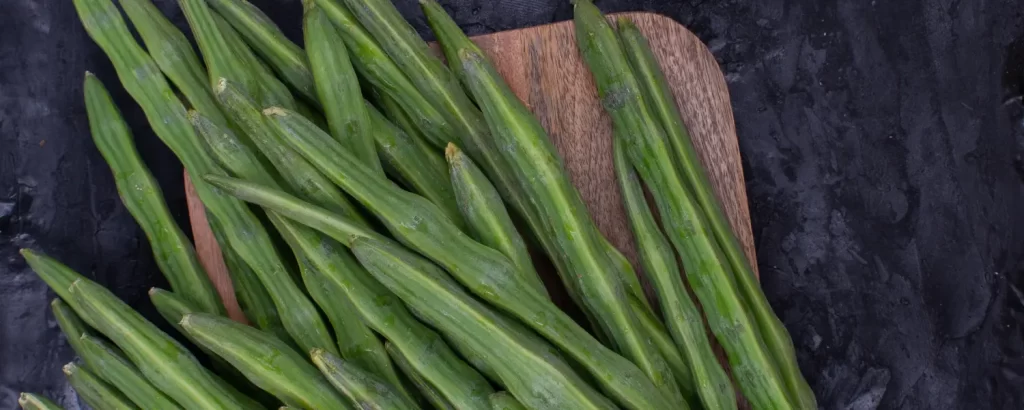
Often seen in bustling Indian markets and a staple in many Asian and African kitchens, the drumstick vegetable is a true superfood that has been gaining global recognition. If you’ve ever wondered about the long, slender green pods featured in dishes like sambar or curries, you’ve encountered this remarkable vegetable. But what exactly is a drumstick vegetable, and what’s behind its surging popularity? Let’s delve into the world of this unique plant.
The Identity of the Humble Drumstick
The drumstick vegetable, scientifically known as Moringa oleifera, is the fruit of the Moringa tree, often referred to as the ‘miracle tree’ or ‘tree of life’. Native to the sub-Himalayan tracts of India, Pakistan, Bangladesh, and Afghanistan, this fast-growing, drought-resistant tree is now cultivated across tropical and subtropical regions.
The vegetable itself is the long, slender, triangular seed-pod of the tree, which can grow up to a foot and a half in length. In India, it is popularly known as ‘sahjan’ or ‘shinga’. Its distinct, slightly sharp and subtly sweet flavor makes it a fascinating ingredient in a variety of culinary preparations.
A Nutritional Powerhouse: What’s Inside?
The primary driver behind the drumstick’s fame is its incredible nutritional profile. It is a low-calorie vegetable packed with a high concentration of vitamins and minerals. The drumstick nutrition facts are truly impressive; it is an excellent source of Vitamin C, a potent antioxidant that boosts immunity.
Furthermore, it is rich in Vitamin A, which is crucial for vision and skin health, and provides a good amount of dietary fiber, which aids in digestion and promotes a healthy gut. The pods also contain essential minerals such as potassium, magnesium, and iron, making them a valuable addition to any diet.
The Health Benefits Fueling its Popularity
The popularity of the drumstick vegetable isn’t just about its nutritional content; it’s deeply rooted in its extensive health benefits, many of which are backed by modern science. The moringa benefits are vast, contributing significantly to its superfood status.
- Rich in Antioxidants: Drumsticks are loaded with antioxidants like quercetin and chlorogenic acid, which combat free radicals in the body, reducing oxidative stress and lowering the risk of chronic diseases.
- Anti-Inflammatory Properties: The isothiocyanates present in moringa are powerful anti-inflammatory compounds that can help soothe inflammation in the body.
- May Help Lower Blood Sugar Levels: Several studies suggest that Moringa oleifera may help lower blood sugar levels, making it beneficial for individuals managing diabetes.
- Supports Bone Health: The presence of calcium and iron in drumsticks helps in strengthening bones and preventing conditions like osteoporosis.
Import products for your Needs

A Culinary Star: How to Cook Drumstick
Beyond its health credentials, the drumstick is incredibly versatile in the kitchen. Learning how to cook drumstick is simple, and it readily absorbs the flavors of spices it’s cooked with. The texture of a cooked drumstick is tender, and its flavor complements a wide array of ingredients.
In India, drumstick recipes are abundant. It’s a key ingredient in the famous South Indian lentil stew, sambar, where its unique flavor permeates the dish. It is also used in various curries, soups, and pickles. To prepare it, the pods are typically cut into two-inch pieces.
The outer skin is tough and fibrous, so the common way to eat it is to chew on the pieces to savor the soft, pulpy interior and then discard the skin. The tender seeds inside are also edible and nutritious.
The Growing Drumstick Export Market
The rising global awareness of the drumstick vegetable’s benefits has led to a significant increase in its demand worldwide. This has propelled the drumstick export market, with India being one of the leading producers and exporters. The vegetable is exported fresh, frozen, and in powdered form to countries across the globe, especially to regions with a large South Asian diaspora and to health-conscious consumers in the West. This growing international trade is a testament to its expanding popularity and acceptance as a global superfood.
In conclusion, the drumstick vegetable is far more than just an exotic ingredient. Its potent combination of nutritional value, significant health benefits, and culinary flexibility is the secret behind its well-deserved popularity. As the world continues to seek out healthy and natural food sources, the humble ‘sahjan’ is poised to become an even more familiar sight on dinner plates everywhere.
Frequently Asked Questions (FAQs)
- What does a drumstick vegetable taste like? The drumstick vegetable has a unique and mild flavor, often compared to green beans or asparagus, with a slightly sweet and earthy undertone. When cooked, it becomes tender and absorbs the flavors of the spices it is cooked with.
- Can you eat the entire drumstick vegetable? The fleshy pulp and the tender seeds inside are edible and nutritious. However, the outer skin is tough and fibrous and is typically not consumed. The common method is to chew the cooked pieces to extract the pulp and then discard the skin.
- Are drumsticks and moringa the same thing? Yes, the drumstick vegetable is the fruit of the Moringa oleifera tree. The term “moringa” often refers to the leaves or powder derived from the leaves, which are also highly nutritious, but “drumstick” specifically refers to the long seed pods used as a vegetable.
- How do I choose a good drumstick vegetable at the store? Look for drumsticks that are slender, fresh-looking, and a vibrant green color. They should be firm to the touch. Avoid pods that are very thick, as they tend to be more mature and fibrous, or those that are limp, dry, or have brown spots.
- What are the main drumstick recipes? The most famous drumstick recipe is the South Indian sambar, a lentil-based stew. They are also widely used in various curries, soups (like drumstick soup), and stir-fries. In some cuisines, they are also pickled.
- Is the drumstick vegetable good for weight loss? Yes, the drumstick vegetable can be a great addition to a weight loss diet. It is low in calories and high in dietary fiber, which helps you feel full for longer, reducing overall calorie intake. Its nutrient density also ensures your body gets essential vitamins and minerals while on a calorie-restricted diet.
About us
Exim Internationals is a premier export company dedicated to delivering the finest products from India to international markets. Our mission is to establish India as a global export powerhouse, contributing to economic growth and showcasing the richness of Indian goods worldwide.
From the pashmina shawls and apples of the North to the spices of the South, the fruits and powders of the West, and the tea and bamboo of the East, we connect every corner of India with the global market.
Certification we have: FSSAI, APEDA, IEC, UDYAM, FIEO, Spices Board, Coconut
Contact us
Samin heritage, Sl building, Shop no. 19, Chandan wadi, Almeda road Thane west, Maharashtra, India-400601.
Email Us: support@eximinternationals.com
Call Us: +91 9820446601 | +91 9321559185

