
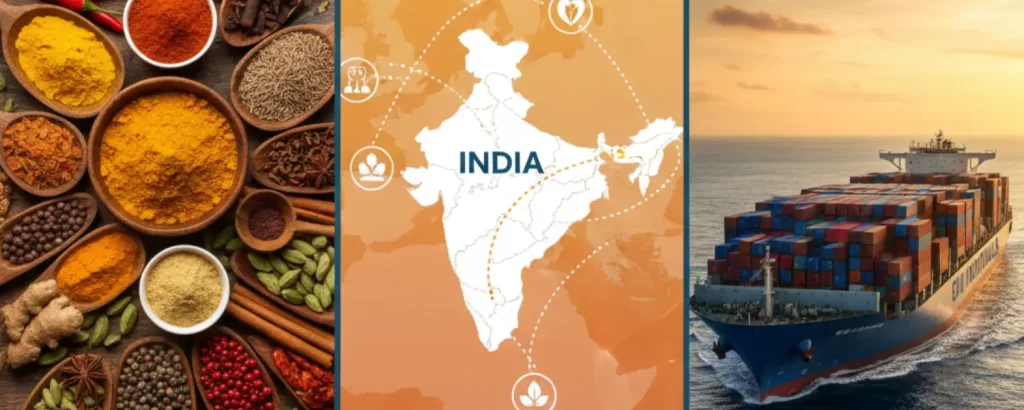
The allure of indian spices has captivated palates worldwide for centuries, and the European market remains a lucrative destination for these aromatic treasures. As consumer preferences evolve, driven by health trends, culinary exploration, and demand for authentic flavors, identifying high-demand spices for export is crucial for importers and indian spices exporter alike.
In 2025, the European market is poised for continued growth in specialty food ingredients. This guide highlights the top 10 spices that will see significant demand, offering insights for businesses looking to source bulk spices from India.
Understanding the European Spice Market
Europe’s spice consumption is fueled by diverse cuisines, a growing health and wellness segment (especially for organic spices), and an increasing interest in plant-based diets. Importers prioritize quality, traceability, and compliance with stringent EU food safety regulations. Working with a reliable bulk spice exporter is paramount to navigating this complex market.
The Top 10 High-Demand Spices for Export to Europe in 2025:
1. Turmeric (Curcuma longa)
Beyond its culinary uses, Turmeric’s demand is surging due to its high curcumin content, a powerful anti-inflammatory and antioxidant. It’s a staple in health supplements, functional foods, and cosmetics.
Key Trend: Organic and high-curcumin varieties.
2. Black Pepper (Piper nigrum)
Often called “King of Spices,” Black Pepper remains a constant high-demand spice for export. Its pungency and versatility ensure its presence in nearly every European kitchen.
Key Trend: Whole peppercorns, organic, and specific origin varieties (e.g., Malabar).
3. Cumin (Cuminum cyminum)
Integral to various European and Middle Eastern cuisines, Cumin is prized for its earthy, warm flavor. It’s used in ground form for seasoning and whole in pickling and tempering.
Key Trend: Whole cumin seeds, organic certified.
4. Ginger (Zingiber officinale)
Fresh and dried Ginger are sought after for their zesty flavor and health benefits, including digestive aid and immune support. European demand spans food, beverages (ginger ale), and herbal remedies.
Key Trend: Dried ginger slices/powder, organic.
5. Cardamom (Elettaria cardamomum)
The “Queen of Spices,” Green Cardamom is a premium spice, highly valued in Scandinavian baking, Middle Eastern coffee, and Indian cuisine. Its distinct sweet-spicy aroma makes it a luxury item.
Key Trend: Whole green cardamom pods (larger size/quality).
6. Red Chilli (Capsicum annuum)
From mild Kashmiri to fiery Bird’s Eye, Indian Red Chillies are essential for adding heat and color. Demand for specific varieties is driven by ethnic restaurants and adventurous home cooks.
Key Trend: Specific varieties (e.g., Byadgi, Guntur), flakes, and powder with defined Scoville Heat Units.
7. Coriander (Coriandrum sativum)
Coriander seeds, with their citrusy, slightly sweet flavor, are used widely in European charcuterie, pickling, and curries. Ground coriander is a foundational spice blend ingredient.
Key Trend: Whole coriander seeds, split coriander.
8. Fennel Seeds (Foeniculum vulgare)
Fennel’s sweet, anise-like flavor is popular in Mediterranean and Scandinavian cooking, especially with fish and baked goods. Its digestive properties also drive demand in herbal teas.
Key Trend: Whole seeds, organic.
9. Nutmeg & Mace (Myristica fragrans)
These two spices, from the same fruit, offer distinct warm and sweet notes. Nutmeg is a favorite in European desserts and savory dishes, while Mace provides a more delicate flavor.
Key Trend: Whole nutmeg (grated fresh), ground mace.
10. Cloves (Syzygium aromaticum)
Known for their strong, aromatic, and sweet-peppery flavor, Cloves are essential in mulled wine, baked goods, and various savory preparations during colder months.
Key Trend: Whole cloves, high volatile oil content.

Partnering with the Right Indian Spices Exporter
To successfully source bulk spices for the European market, your choice of an indian spices exporter is critical. A reputable partner like Exim Internationals understands the nuances of:
EU Regulations: Including MRLs (Maximum Residue Limits), heavy metal content, and microbiological specifications.
Traceability: Providing farm-to-warehouse transparency.
Quality Control: Implementing rigorous checks for purity, aroma, and color.
Packaging: Ensuring food-grade, moisture-proof packaging suitable for long-distance shipping.
Choosing an exporter from india who can provide consistent quality and adhere to stringent international standards will give you a competitive edge. We specialize in sourcing premium indian spices directly from farmers, ensuring authenticity and freshness for your European customers.
Frequently Asked Questions (FAQs)
1. What are the most important certifications for exporting spices to Europe?
For Europe, key certifications include ISO 22000, HACCP, FSSAI (for Indian origin), and often organic certifications like EU Organic, NOP (for US re-export), and Fairtrade for ethical sourcing.
2. How do European buyers check the quality of bulk spices from India?
Buyers typically look for Certificates of Analysis (CoA) from accredited labs, confirming MRLs, moisture content, volatile oil, and absence of heavy metals or aflatoxins. Samples are usually requested before bulk orders.
3. Which Indian states are known for producing high-demand spices for export?
Major spice-producing states include Kerala (pepper, cardamom, ginger), Gujarat and Rajasthan (cumin, coriander, fennel), Andhra Pradesh and Telangana (chilli, turmeric), and Tamil Nadu (nutmeg, mace).
4. What is the typical shelf life of dried bulk spices?
Most whole dried spices like black pepper, cumin, or turmeric have a shelf life of 2-4 years when stored in cool, dry, dark conditions. Ground spices have a shorter shelf life of 1-2 years due to increased surface area exposure.
5. Are organic indian spices in higher demand in the European market?
Yes, the demand for organic spices is significantly higher in Europe due to strong consumer preference for natural products and stringent regulations against synthetic pesticides and fertilizers.
6. What shipping methods are commonly used for bulk spice exports to Europe?
Sea freight in containers is the most common and cost-effective method for bulk spices. Air freight is used for smaller, high-value, or urgent shipments.
7. How can an exporter from India ensure compliance with EU MRLs (Maximum Residue Limits)?
Reputable exporters work directly with farmers who follow Good Agricultural Practices (GAP), conduct regular soil and product testing, and provide MRL reports from certified laboratories.
8. What kind of packaging is best for exporting bulk spices?
Food-grade, multi-ply paper bags with inner liners, PP woven bags, or corrugated cartons are commonly used. Vacuum-sealed or nitrogen-flushed packaging helps preserve aroma and shelf life.
9. What is the average lead time for a bulk spice order from India to Europe?
Production and processing can take 7-14 days, with sea freight typically taking 25-40 days depending on the destination port and shipping line.
10. How can I verify the authenticity of an indian spices exporter?
Look for government registrations (e.g., APEDA, DGFT), ask for references, check their certifications, and request a factory audit or third-party inspection reports.
About us
Exim Internationals is a premier export company dedicated to delivering the finest products from India to international markets. Our mission is to establish India as a global export powerhouse, contributing to economic growth and showcasing the richness of Indian goods worldwide.
From the pashmina shawls and apples of the North to the spices of the South, the fruits and powders of the West, and the tea and bamboo of the East, we connect every corner of India with the global market.
Certification we have: FSSAI, APEDA, IEC, UDYAM, FIEO, Spices Board, Coconut
Contact us
Samin heritage, Sl building, Shop no. 19, Chandan wadi, Almeda road Thane west, Maharashtra, India-400601.
Email Us: support@eximinternationals.com
Call Us: +91 9820446601 | +91 9321559185
