Fruits

Pollachi Husked Coconuts
Export Import Fruits Spices Vegetables

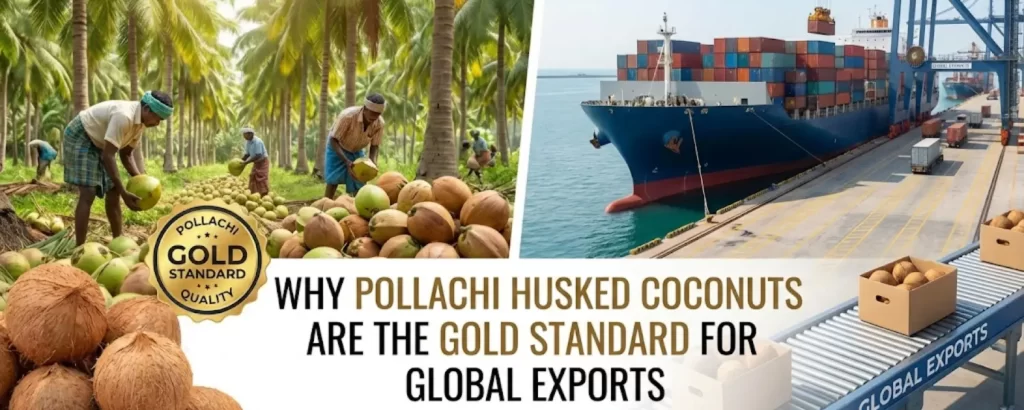
Why Pollachi Husked Coconuts Are the Gold Standard for Global Exports

In the global coconut trade, origin matters. Just as Champagne comes from France, the world’s finest husked coconut comes from a small town in Tamil Nadu, India, called Pollachi. For international buyers, sourcing coconuts can be a gamble. Variable sizes, cracking shells, and spoilage during transit are common nightmares. However, Pollachi Husked Coconuts have earned a reputation as the “Gold Standard” of the industry. But what makes them superior to coconuts from Indonesia, Vietnam, or the Philippines? At Exim Internationals, we source directly from these premium farms. Here is why savvy importers specifically request the Pollachi variety for their fresh coconut semi husked shipments. 1. The Size Advantage: Bigger is Better The most visible difference is physical size. Competitors: Average coconuts from other regions often weigh between 350g to 450g. Pollachi Difference: A standard Pollachi husked coconut weighs between 500g to 650g+. For retailers selling by the piece, this visual size difference justifies a premium price on supermarket shelves in Dubai or London. 2. Higher Sweet Water & Meat Content The unique red soil and rich groundwater of the Pollachi region result in a nut that is packed with flavor. Thick Meat: The white kernel (meat) inside is thicker and richer in oil, making it ideal for manufacturing virgin coconut oil or desiccated coconut. Sweet Water: The water inside is naturally sweeter and more abundant, which preserves the inner meat during long sea voyages (30-40 days). 3. Semi-Husked vs. Fully Husked: Understanding the Grade To make the best buying decision, you must understand the two main export cuts. We supply both based on your market needs. A. Semi Husked Coconuts (The Export Favorite) Description: The outer husk is removed, but a small tuft of fiber is left on the “eyes” (the three weak points of the coconut). Why buy it: This fiber tuft acts as a natural seal, protecting the eyes from rotting or bursting during transit. This is the standard for fresh semi husked coconut exports to the Middle East and Europe. Shelf Life: 50-60 days (in reefer containers). B. Fully Husked Coconut (The Retail Choice) Description: The husk is completely removed, leaving a smooth, bald brown shell. Why buy it: It looks cleaner and is “ready to crack” for the end consumer. However, without the fiber protection, it has a shorter shelf life. Shelf Life: 30-40 days. 4. Superior Shelf Life for Global Logistics Shipping perishables is risky. Pollachi coconuts are famous for their robust, thick shells which are less prone to cracking under the weight of stacking. When shipped in a Refrigerated Container (Reefer) at 13-15°C with proper ventilation, our fresh semi husked coconut stays fresh for over 60 days, allowing you to reach markets as far as Canada and the USA without spoilage. 5. Competitive Pricing Despite the premium quality, the husked coconut price from India remains highly competitive due to year-round production. Unlike seasonal origins, Pollachi harvests coconuts 365 days a year, ensuring a stable supply chain for your brand. Source the Best with Exim Internationals If you are tired of small, cracked, or dry coconuts, it is time to switch your origin. Pollachi Husked Coconuts offer the size, taste, and durability that global markets demand. Exim Internationals guarantees premium grading, ensuring every bag you open contains uniform, export-quality nuts. Frequently Asked Questions (FAQs) 1. What is the difference between semi husked and fully husked coconut? Semi husked coconuts have a small “tuft” of fiber left over the eyes to protect them from spoilage and extend shelf life. Fully husked coconuts are shaved completely smooth; they look better for retail but spoil faster and are more prone to cracking. 2. How many coconuts fit in a container? In a standard 40ft High Cube Container, we can load approximately 27,000 to 28,000 nuts. They are typically packed in Polypropylene (PP) bags, with 25 nuts per bag. 3. What is the ideal temperature for shipping fresh semi husked coconut? The ideal temperature for shipping is +12°C to +14°C. Temperatures lower than this can cause “chilling injury” (grey spots on the meat), while higher temperatures can cause sprouting or fermentation. 4. Why is the water content important for husked coconuts? The water inside the nut acts as a natural preservative, keeping the meat moist and white. If the water dries up (due to a crack or old age), the meat turns yellow and rancid. You can test this by shaking the nut—a good Pollachi husked coconut will always make a distinct “sloshing” sound. 5. How does Exim Internationals ensure quality? We use a rigorous 3-step grading process: Visual Check: Removing any nuts with cracks or spurs. Sound Check: Shaking every nut to ensure full water content. Size Sorting: Bagging nuts of uniform size (e.g., all 13-inch circumference) so your customers get a consistent product. About us Exim Internationals is a premier export company dedicated to delivering the finest products from India to international markets. Our mission is to establish India as a global export powerhouse, contributing to economic growth and showcasing the richness of Indian goods worldwide. From the pashmina shawls and apples of the North to the spices of the South, the fruits and powders of the West, and the tea and bamboo of the East, we connect every corner of India with the global market. Certification we have: FSSAI, APEDA, IEC, UDYAM, FIEO, Spices Board, Coconut Contact us Samin heritage, Sl building, Shop no. 19, Chandan wadi, Almeda road Thane west, Maharashtra, India-400601. Email Us: support@eximinternationals.comCall Us: +91 9820446601 | +91 9321559185

Why Pollachi Husked Coconuts Are the Gold Standard for Global Exports Read Post »
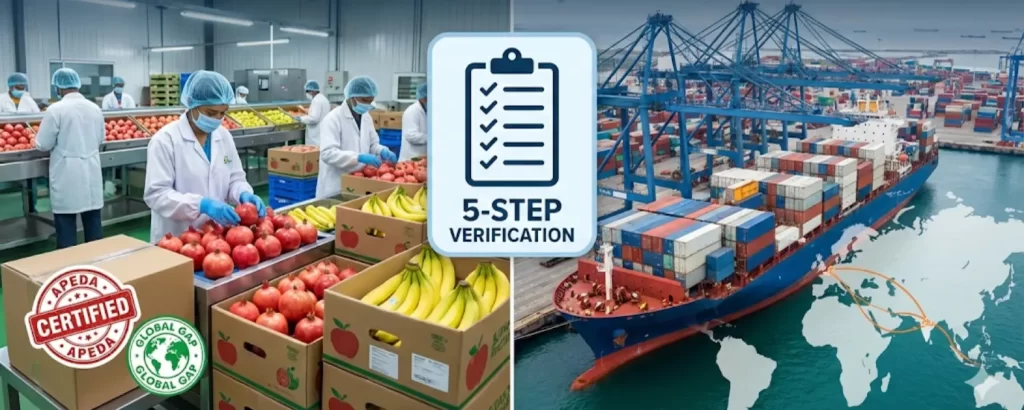
Certified Fruits Exporter in India
Export Import Fruits Spices Vegetables

How to Find a Reliable Certified Fruits Exporter in India: A 5-Step Checklist

India is the “Fruit Basket of the World,” ranking as the second-largest producer globally. From the alphonso mangoes of Maharashtra to the cavendish bananas of Tamil Nadu, the demand for Indian fruits is skyrocketing in Europe, the Middle East, and Southeast Asia. However, the perishable nature of fresh produce makes this trade risky. A delay of 24 hours or a temperature fluctuation of 2°C can ruin an entire container. This is why finding a certified fruits exporter in India is not just a “good to have”—it is a business necessity. At Exim Internationals, we understand that you aren’t just buying fruit; you are buying trust. Here is the ultimate 5-step checklist to ensure your next fruits export partner is legitimate, capable, and certified. Step 1: The Non-Negotiable – APEDA Registration In India, no company can legally export fresh produce without being registered with APEDA (Agricultural and Processed Food Products Export Development Authority). The Check: Ask for their RCMC (Registration-Cum-Membership Certificate). Why it Matters: A certified fruits exporter in India with APEDA registration is monitored by the government. It ensures they adhere to basic export guidelines and have a valid track record. If an exporter cannot show you this, walk away immediately. Step 2: Look for “Global GAP” & Phytosanitary Compliance APEDA is just the license to trade. To ensure the quality of the fruit meets European or American standards, you need more. Global GAP: This certification ensures that the fresh fruits exporter sources from farms that use safe agricultural practices (minimal pesticides). Phyto Certificate: Every shipment must come with a Phytosanitary Certificate issued by an authorized plant quarantine officer. This proves the cargo is free from pests like fruit flies, which is critical for clearing customs in countries like the USA and Japan. Step 3: Audit Their “Cold Chain” Capabilities The difference between a fresh banana and a black, spotted one lies in the “Cold Chain.” Pre-Cooling: The best exporters don’t just load fruit into a truck. They “pre-cool” the fruit immediately after harvest to remove field heat. Reefer Containers: Ensure your partner has contracts with reliable shipping lines for “Reefer” (Refrigerated) containers that maintain precise humidity and temperature settings (e.g., 13.5°C for bananas, 8°C for pomegranates). Step 4: Traceability (Farm to Fork) In 2026, buyers want to know exactly where their food comes from. The Standard: A top-tier certified fruits exporter in India uses “GrapeNet” or “HortiNet” systems. These allow you to scan a barcode on the box and see exactly which farm in Nashik or Solapur harvested that specific batch of fruit. Why it Matters: If there is a quality issue, traceability allows you to isolate the problem batch rather than rejecting the whole shipment. Step 5: Transparency in Payment & Logistics Scams often happen in the fine print of payment terms. The Safe Route: Reliable exporters usually work with Irrevocable Letters of Credit (LC) or a balanced Advance + BL Scan payment model. Incoterms: Be clear if you are buying FOB (Free on Board) or CIF (Cost, Insurance, and Freight). A professional fruits export company will always insure the goods to protect you from transit damages. Certified vs. Non-Certified Exporter Feature Certified Fruits Exporter General Trader / Middleman Sourcing Direct contract farms Open market (Mandis) Quality Check Lab tested (MRL Reports) Visual check only Packing Packhouse with sorting lines Manual packing in shed Risk Low (Insured & Traceable) High (No recourse) Choose Exim Internationals Sourcing Indian fruits should be profitable, not stressful. By following this checklist, you filter out the noise and find partners who value long-term relationships. At Exim Internationals, we tick every box. We are an APEDA-registered, quality-focused fresh fruits exporter specializing in air and sea shipments of Mangoes, Bananas, and Pomegranates. Don’t gamble with perishables. Choose a certified partner. Frequently Asked Questions (FAQs) 1. What is the role of APEDA in Indian fruit exports? APEDA is the government body that promotes and regulates the export of fresh products. A certified fruits exporter in India must be registered with APEDA to legally ship goods. They also help in setting standards for packhouses and pesticide residue monitoring. 2. Which fruits does Exim Internationals export? We specialize in high-demand seasonal and year-round fruits including Cavendish Bananas, Pomegranates (Bhagwa variety), Mangoes (Alphonso/Kesar), and Grapes. 3. How do you ensure the fruit doesn’t spoil during shipping? We use a strict “Pre-Cooling” process to lower the fruit’s core temperature immediately after harvest. We then pack them in ventilated boxes inside active-refrigeration (Reefer) containers that maintain the ideal temperature for the 15-30 day sea voyage. 4. Can you provide pesticide residue reports (MRL)? Yes. For markets like the EU and UK, we provide laboratory reports confirming that the fruit meets the strict “Maximum Residue Limit” (MRL) standards required for import. 5. What is the minimum order for a fresh fruits exporter? For sea shipments, the minimum is typically one 40ft Reefer Container (approx. 20-22 Metric Tons). For high-value perishable fruits sent via Air Cargo (like Mangoes), the minimum is usually 500 kg to 1 Ton. About us Exim Internationals is a premier export company dedicated to delivering the finest products from India to international markets. Our mission is to establish India as a global export powerhouse, contributing to economic growth and showcasing the richness of Indian goods worldwide. From the pashmina shawls and apples of the North to the spices of the South, the fruits and powders of the West, and the tea and bamboo of the East, we connect every corner of India with the global market. Certification we have: FSSAI, APEDA, IEC, UDYAM, FIEO, Spices Board, Coconut Contact us Samin heritage, Sl building, Shop no. 19, Chandan wadi, Almeda road Thane west, Maharashtra, India-400601. Email Us: support@eximinternationals.comCall Us: +91 9820446601 | +91 9321559185

How to Find a Reliable Certified Fruits Exporter in India: A 5-Step Checklist Read Post »

Best Spice Exporters in India
Export Import Fruits Spices Vegetables

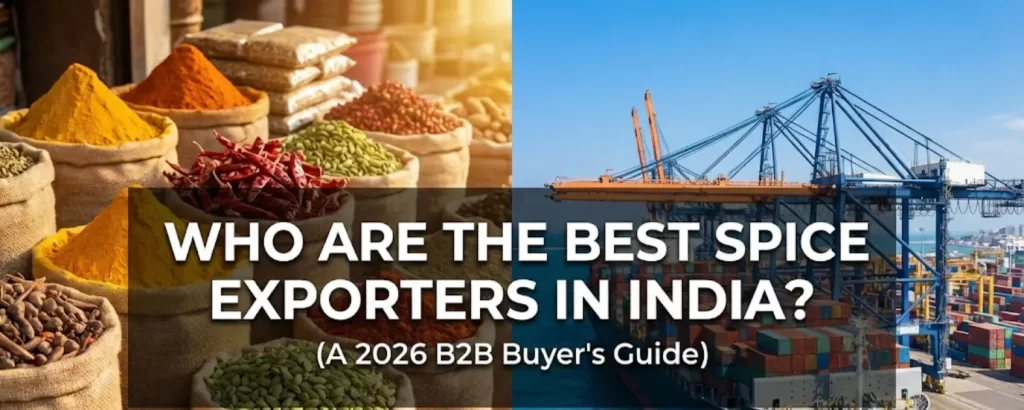
Who Are the Best Spice Exporters in India? (And How to Verify Them)

India is known as the “Spice Bowl of the World,” contributing over 70% of global spice production. For international buyers, the challenge isn’t finding a supplier—it’s finding the right one. With thousands of traders claiming to be the best spice exporters in India, how do you distinguish between a reliable partner and a risky middleman? In 2026, the definition of “best” has changed. It is no longer just about who has the cheapest price. It is about who can deliver consistent quality, clear customs documentation, and timely shipments. If you are looking to source masala export from india or bulk commodities, this guide will help you identify the top players in the market. 1. The “Best” Means Certified (Non-Negotiable) The first filter to identify the best spice exporters in India is their paperwork. A legitimate spices exporter must hold valid registrations that prove they are authorized by the Indian government. Spices Board of India (CRES): This is mandatory. If an exporter cannot show you their CRES certificate, do not proceed. FSSAI & APEDA: Essential for food safety standards. ISO 22000 / HACCP: The best companies invest in these global quality management systems to ensure your bulk spice export meets European and American safety norms. 2. Lab Testing: The Difference Between “Good” and “Rejected” Why do shipments get rejected at foreign ports? Usually due to high pesticide residues or Salmonella. The Exim Standard: The best exporters don’t just guess; they test. At Exim Internationals, we provide a Certificate of Analysis (COA) with every shipment. What to ask for: Always ask your supplier for recent lab reports checking for Aflatoxins and Sudan Dyes (especially in Red Chilli powder). 3. Location & Logistics Capabilities India is vast. The best exporters are strategically located near key production belts and ports. Proximity: Suppliers in Maharashtra (like us) and Gujarat have easy access to the Nhava Sheva (JNPT) Port, the largest container port in India. This ensures faster connectivity for masala export from india to the Middle East, UK, and USA. Consolidation: Can your exporter combine Turmeric, Cumin, and Coriander in a single container? The best exporters offer “Mixed Container” services, helping you lower your inventory risk. 4. Packaging: Bulk vs. Private Label A top-tier bulk spice exporter from india understands that packaging protects profit. Bulk: 25kg / 50kg PP bags or Jute bags for wholesalers. Retail/Private Label: Many importers now want ready-to-sell pouches. The best exporters offer “White Label” services, allowing you to import of spices in india under your own brand name. 5. Why Exim Internationals? We don’t just sell spices; we manage supply chains. By focusing on the “Big 3″—Quality, Transparency, and Timeliness—we have positioned ourselves among the best spice exporters in India for buyers who value peace of mind. Our Focus: We specialize in high-demand commodities like Green Cardamom, Turmeric Finger, Cumin Seeds, and Dry Red Chilli. Our Promise: What you see in the sample is exactly what you get in the container. No “bait and switch.” Trust but Verify The title of “best” is earned through consistency. When evaluating partners for your next bulk spice export order, look beyond the website. Ask for certificates, demand lab reports, and check their responsiveness. Exim Internationals is ready to be that partner for you. Frequently Asked Questions (FAQs) 1. How can I verify if a spice exporter is genuine? Always ask for their IEC (Import Export Code) and verify it on the DGFT website. Additionally, ask for their Spices Board Registration (CRES). Legitimate companies like Exim Internationals are transparent with these documents. 2. What is the minimum order quantity (MOQ) for bulk spice export? For most bulk spices, the MOQ is typically 1 Full Container Load (FCL), which is roughly 14-15 Metric Tons for a 20ft container. However, for high-value spices like Cardamom or Clove, we can arrange smaller air shipments (500kg – 1 Ton). 3. Which spices are most profitable to import from India in 2026? Currently, Turmeric (due to high Curcumin demand), Cumin Seeds (Jeera), and Dry Red Chilli (Teja/Sannam varieties) are the top-performing exports due to their global culinary and medicinal usage. 4. Do you offer “Masala Export from India” in consumer packing? Yes. While we specialize in being a bulk spice exporter from india, we also offer private labeling services. We can pack spices in 100g, 200g, or 500g pouches with your brand logo and design. 5. How do you handle payment terms for new buyers? To ensure safety for both parties, we typically work with Irrevocable Letter of Credit (LC) for large orders or a Advance + Balance against BL scan model. This is the industry standard for securing international trade. About us Exim Internationals is a premier export company dedicated to delivering the finest products from India to international markets. Our mission is to establish India as a global export powerhouse, contributing to economic growth and showcasing the richness of Indian goods worldwide. From the pashmina shawls and apples of the North to the spices of the South, the fruits and powders of the West, and the tea and bamboo of the East, we connect every corner of India with the global market. Certification we have: FSSAI, APEDA, IEC, UDYAM, FIEO, Spices Board, Coconut Contact us Samin heritage, Sl building, Shop no. 19, Chandan wadi, Almeda road Thane west, Maharashtra, India-400601. Email Us: support@eximinternationals.comCall Us: +91 9820446601 | +91 9321559185

Who Are the Best Spice Exporters in India? (And How to Verify Them) Read Post »

cumin spice benefits
Export Import Fruits Spices Vegetables

10 Powerful Cumin Spice Benefits: Digestion, Immunity & Weight Loss

In every Indian kitchen, the day begins with the crackling sound of Jeera (Cumin) hitting hot oil. But what is cumin spice used for beyond just tempering curries? For centuries, Ayurveda has revered Indian cumin spice not just as a flavor enhancer, but as a potent medicine. Today, modern science backs this up. From aiding weight loss to boosting immunity, the humble Cuminum cyminum seed is a nutritional powerhouse. Whether you are a health-conscious consumer or a food manufacturer looking for functional ingredients, understanding these cumin spice benefits will change the way you look at this brown seed. 1. The Ultimate Digestion Aid The most famous of all cumin spice health benefits is its ability to fix a troubled stomach. How it works: Cumin contains Thymol, a compound that stimulates the salivary glands and enzymes, helping food digest faster. The Habit: Drinking “Jeera Water” (boiled cumin water) is a standard home remedy for bloating, gas, and acidity. 2. Boosts Immunity Naturally In a post-pandemic world, immunity is king. Cumin is rich in Iron and Vitamin C, which are essential for a healthy immune system. The Stat: Just one teaspoon of cumin contains about 1.4mg of iron (nearly 17% of the RDI for men). This helps keep your blood oxygenated and your immune system fighting fit. 3. Supports Weight Loss & Fat Reduction Can a spice help you lose weight? A 2014 study showed that overweight women who consumed 3 grams of cumin powder daily with yogurt showed significant improvements in weight loss compared to those who didn’t. Metabolism Booster: The heat in cumin the spice naturally increases your metabolic rate. 4. Regulates Blood Sugar Levels For diabetics, cumin spice benefits are promising. Several clinical trials suggest that concentrated cumin supplements can help improve insulin sensitivity and lower blood sugar levels, making it a functional food ingredient for diabetic-friendly diets. 5. Rich in Antioxidants Indian cumin spice is packed with antioxidants like terpenes, phenols, and flavonoids. These compounds fight “free radicals” in your body—unstable molecules that cause cell damage and aging. 6. May Help Lower Cholesterol Heart health is a major concern globally. Studies indicate that regular cumin intake can decrease bad cholesterol (LDL) and triglycerides while increasing good cholesterol (HDL). 7. Fights Inflammation The active ingredients in cumin seeds have anti-inflammatory and antiseptic properties. This is why cumin spice oil is often used in traditional medicine to treat pain and inflammation. 8. Improves Memory Ayurveda describes cumin as a “Medhya” rasayana (memory enhancer). It stimulates the central nervous system, helping to sharpen memory and improve mental clarity. 9. Food Safety (Anti-Bacterial) This is a key benefit for food manufacturers. Cumin has powerful anti-microbial properties that can kill bacteria in food. Historically, this is why it was used heavily in cuisines from hot climates—to prevent food from spoiling! 10. Adds “Umami” Without Meat Finally, the taste. How to use cumin spice? Its earthy, nutty, and slightly bitter flavor adds a meat-like depth (Umami) to vegetarian dishes, making it indispensable in plant-based meats and vegan recipes. Why Indian Cumin Offers the Best Benefits Not all cumin is created equal. The potency of these cumin spice benefits depends heavily on the Essential Oil Content (Volatile Oil). Indian Origin: Cumin from Gujarat and Rajasthan is famous for having high volatile oil content (typically 2.5% to 3.5%). The Result: Higher oil means more Thymol, more aroma, and more health benefits compared to cumin from other origins like Syria or Turkey. At Exim Internationals, as a leading cumin exporter from India, we specialize in sourcing high-oil varieties (Europe Quality & Singapore Quality) that maximize both flavor and health value. From your morning Jeera water to your evening curry, the benefits of cumin spice are too significant to ignore. Whether you are blending a new curry powder or formulating a health supplement, ensure you are using premium Indian Cumin for maximum potency. Looking for high-quality Indian Cumin in bulk? Frequently Asked Questions (FAQs) 1. What is a good cumin spice substitute? If you run out of cumin, Caraway seeds (Shah Jeera) are the closest match in flavor, though slightly sweeter. Coriander powder mixed with a pinch of chili can also mimic the earthy heat of cumin in a pinch. 2. How to use cumin spice for maximum health benefits? To release the essential oils (and the benefits), always dry roast the seeds slightly before using them. You can powder them for smoothies or steep them in hot water for a digestive tea. 3. Is “Jeera” the same as Cumin? Yes. “Jeera” (or Zeera) is the Hindi name for Cumin spice. In international trade, it is strictly referred to as Cumin Seeds (Botanical name: Cuminum cyminum). 4. Can I eat raw cumin seeds? Yes, chewing a pinch of raw fennel or cumin seeds after a meal is a common practice in India to aid digestion and freshen breath. 5. Why should importers choose Exim Internationals for cumin? We offer “Machine Clean” and “Sortex Clean” cumin with purity levels up to 99.5%. We test every batch for moisture and volatile oil content, ensuring you get the most potent Indian cumin spice available. About us Exim Internationals is a premier export company dedicated to delivering the finest products from India to international markets. Our mission is to establish India as a global export powerhouse, contributing to economic growth and showcasing the richness of Indian goods worldwide. From the pashmina shawls and apples of the North to the spices of the South, the fruits and powders of the West, and the tea and bamboo of the East, we connect every corner of India with the global market. Certification we have: FSSAI, APEDA, IEC, UDYAM, FIEO, Spices Board, Coconut Contact us Samin heritage, Sl building, Shop no. 19, Chandan wadi, Almeda road Thane west, Maharashtra, India-400601. Email Us: support@eximinternationals.comCall Us: +91 9820446601 | +91 9321559185

10 Powerful Cumin Spice Benefits: Digestion, Immunity & Weight Loss Read Post »

Benefits of Fennel Seeds
Export Import Fruits Spices

Why Import from India? The Commercial Benefits of Fennel Seeds for Global Markets

In the competitive world of spice trading, Fennel Seeds (or Saunf) are no longer just a digestive aid found in Indian restaurants. By 2026, they have become a high-value ingredient in the global food, pharmaceutical, and cosmetic industries. For international buyers, the question is not if they should trade in this spice, but where to source it. India, producing nearly 60% of the world’s supply, stands as the undisputed market leader. But what drives this demand? Here, we analyze the commercial benefits of fennel seeds and why sourcing from a reliable spices exporter like Exim Internationals is crucial for your profit margins. 1. The “Anethole” Advantage: Superior Flavor Profile The primary commercial value of fennel lies in its essential oil content, specifically Anethole. This compound gives fennel its distinct licorice-like sweet flavor and aroma. Why Indian Fennel Wins: Indian fennel seeds, particularly those grown in the loamy soils of Gujarat and Rajasthan, have a higher essential oil volatility compared to Egyptian or Turkish varieties. Commercial Use: This high potency means food manufacturers use less quantity to achieve the same flavor profile in sausages, bakery products, and curry powders, making Indian fennel a cost-effective ingredient. 2. Health Positioning: Tapping into the Wellness Market The global shift towards “Functional Foods” has exploded the demand for fennel. Smart brands are marketing the health benefits of fennel seeds to command premium prices. Digestive Teas: Fennel is the star ingredient in “Detox” and “After-Meal” tea blends popular in Europe and the USA. Pharmaceuticals: Its carminative (gas-relieving) properties make it a staple in natural gripe waters for infants and digestive supplements. Antioxidant Power: Rich in polyphenols, fennel is now being added to “Superfood” blends. 3. Variety Versatility: Lucknowi vs. Machine Clean One of the unique benefits of importing from India is the sheer variety available for different market segments. Lucknowi Fennel (Premium): These are small, bright green, and incredibly sweet. They are eaten raw as a mouth freshener. Target Market: Premium confectionery, Middle Eastern retail packs. Machine Clean / Sortex (Standard): Larger, thicker seeds with a greenish-yellow hue. Target Market: Spice grinders, oleoresin extraction units, and bulk seasoning manufacturers. 4. Shelf Life and Storage Stability For a spices exporter, shelf life is money. Indian fennel seeds, when properly dried and packed, have excellent storage stability. Moisture Control: We ensure our fennel is dried to below 10-12% moisture content. This prevents mold growth and preserves the bright green color during long sea voyages. Packaging: Using PP (Polypropylene) or Jute bags with inner liners ensures the aroma remains locked in for 12-24 months. 5. The Exim Internationals Promise Sourcing from the open market can be risky due to adulteration (seeds colored with artificial green dye). At Exim Internationals, we guarantee: No Artificial Colors: 100% natural green hue. Fumigation: All shipments are treated to meet strict phytosanitary norms of the USA, EU, and Asia. Traceability: Direct sourcing from farms in Unjha and Abu Road. A High-Value Addition to Your Portfolio The benefits of fennel seeds extend far beyond the kitchen. For global importers, they represent a stable, high-demand commodity with applications ranging from Italian sausages to herbal teas. By partnering with Exim Internationals, you secure not just a spice, but a competitive edge in quality and pricing. Ready to place your order? Contact Us for Today’s FOB Prices Frequently Asked Questions (FAQs) 1. What is the difference between “Lucknowi” and “Regular” fennel seeds? Lucknowi fennel is smaller, sweeter, and brighter green, primarily used as a mouth freshener or in desserts. Regular fennel is larger, less sweet, and more fibrous, making it ideal for cooking, grinding into powder, or oil extraction. 2. What are the main benefits of fennel seeds for the food industry? Commercially, they act as a natural preservative and flavor enhancer. Their high antioxidant profile extends the shelf life of baked goods, while their strong aroma masks off-notes in meat products. 3. Does Exim Internationals provide lab reports for bulk export fennel seeds? Yes. Every shipment comes with a Certificate of Analysis (COA) detailing moisture levels, essential oil content, and purity percentages (e.g., 99.5% purity). We also provide aflatoxin and pesticide residue reports for EU/US buyers. 4. What is the minimum order quantity (MOQ) for fennel seeds? Our standard MOQ is roughly 1 Metric Ton (approx. 1000 kg). However, for full container loads (FCL), we typically ship in 20ft containers which hold about 13-14 Metric Tons. 5. How do you ensure the green color stays fresh during export? We use moisture-proof inner liners and vacuum packing (optional) to protect the seeds from humidity and oxidation. This ensures the benefits of fennel seeds–their color and aroma—are preserved until they reach your warehouse. About us Exim Internationals is a premier export company dedicated to delivering the finest products from India to international markets. Our mission is to establish India as a global export powerhouse, contributing to economic growth and showcasing the richness of Indian goods worldwide. From the pashmina shawls and apples of the North to the spices of the South, the fruits and powders of the West, and the tea and bamboo of the East, we connect every corner of India with the global market. Certification we have: FSSAI, APEDA, IEC, UDYAM, FIEO, Spices Board, Coconut Contact us Samin heritage, Sl building, Shop no. 19, Chandan wadi, Almeda road Thane west, Maharashtra, India-400601. Email Us: support@eximinternationals.comCall Us: +91 9820446601 | +91 9321559185

Why Import from India? The Commercial Benefits of Fennel Seeds for Global Markets Read Post »

Bulk Coconut Sugar
Export Import Fruits Spices Vegetables

Why Food Manufacturers Are Switching to Bulk Coconut Sugar in 2026

In 2026, the ingredient label is just as important as the nutrition facts panel. For food manufacturers, the pressure is on. Consumers are aggressively rejecting high-fructose corn syrup and refined white sugar. They are demanding sweetness, but they want it “natural,” “unrefined,” and “sustainable.” This shift has crowned a new leader in the industrial sweetener market: Bulk Coconut Sugar. From artisan bakeries in Europe to large-scale beverage brands in the UAE, producers are replacing refined cane sugar with organic coconut palm sugar. But is this just a trend, or a viable long-term strategy? Here is why switching to bulk coconut sugar is the smartest move for your product line this year. 1. The “Clean Label” Advantage In 2026, “Clean Label” is not a buzzword; it is a baseline requirement. The Problem: Listing “Sugar,” “Corn Syrup,” or artificial sweeteners like “Aspartame” is a red flag for modern health-conscious moms and fitness enthusiasts. The Solution: Listing “Organic Coconut Sugar” creates an immediate perception of premium quality and health. It allows brands to market their products as “No Refined Sugar” or “Paleo-Friendly,” commanding a higher retail price. 2. The Low-Glycemic Sweetener Demand Diabetes and metabolic health are top global concerns. Regular Sugar: Has a Glycemic Index (GI) of roughly 65-70, causing rapid insulin spikes. Coconut Sugar: Has a naturally low GI of 35-54 (depending on the batch). For manufacturers of energy bars, diabetic-friendly snacks, and breakfast cereals, this functional benefit is a massive marketing asset. It offers sustained energy without the “sugar crash.” 3. Superior Flavor Profile for Baking Unlike Stevia or Monk Fruit, which can have a bitter aftertaste, coconut sugar tastes delicious. Flavor: It does not taste like coconut. It has a rich, warm, butterscotch and caramel note, similar to coconut brown sugar. Application: This profile makes it the perfect 1:1 substitute for brown sugar in: Cookies & Biscuits: Adds a chewy texture and golden hue. Sauces & Marinades: Deepens the flavor of BBQ sauces and teriyaki glazes. Chocolate: Pairs perfectly with dark cacao, balancing bitterness with caramel notes. 4. Powdered vs. Granular: Versatility in Production One common myth is that coconut sugar doesn’t dissolve well. That is no longer true. At Exim Internationals, we supply two distinct industrial grades: Granular Coconut Sugar: Ideal for toppings, baking, and granola where texture is needed. Powdered Coconut Sugar: A fine mesh grade designed for beverages, chocolates, and confectioneries. It dissolves instantly in cold liquids, making it perfect for iced coffees or energy drinks. 5. Sustainability & Ethical Sourcing Sourcing organic coconut sugar bulk helps you meet your ESG (Environmental, Social, and Governance) goals. Eco-Friendly: The FAO (Food and Agriculture Organization) has called coconut sugar the “most sustainable sweetener in the world.” Coconut trees produce sap for 20+ years, requiring far less water than cane sugar. No Bone Char: Unlike some refined white sugars that are processed using animal bone char, our coconut sugar is 100% Vegan and Halal. Future-Proof Your Recipe The switch to bulk coconut sugar is more than an ingredient change; it is a brand upgrade. By moving to this unrefined, nutrient-rich sweetener, you align your products with the values of the 2026 consumer: Health, Taste, and Sustainability. Exim Internationals is your reliable partner for high-volume orders. We export Organic Coconut Sugar (India Origin) in 25kg bulk bags, fully certified for global trade. Frequently Asked Questions (FAQs) 1. Is coconut sugar a 1:1 replacement for regular sugar in manufacturing? Yes, in terms of sweetness, it is a 1:1 replacement. However, because it is slightly more hygroscopic (attracts moisture) and dark in color, you may need minor adjustments for very light sponges or meringues. It works best in cookies, cakes, and sauces. 2. What is the difference between “Coconut Sugar” and “Coconut Palm Sugar”? They are often used interchangeably, but technically, “Coconut Sugar” comes from the blossom of the coconut tree (Cocos nucifera). “Palm Sugar” can sometimes refer to sugar from other palm trees (like Date Palm or Palmyra). Always ensure you are buying 100% Coconut Flower Sugar for the authentic low-GI benefits. 3. Does Exim Internationals offer private labeling for retail? Yes. While we specialize in organic coconut sugar bulk (25kg/50kg bags) for manufacturers, we also offer Private Label services for retail brands looking for 500g or 1kg pouches with their own branding. 4. What is the shelf life of bulk coconut sugar? When stored in a cool, dry place in our 3-layer moisture-barrier packaging, it has a shelf life of 24 months. We ensure the moisture content is kept below 2% to prevent clumping during transit. 5. Is your coconut sugar certified Organic? Yes. Our product is available with NPOP (India Organic), USDA, and EU Organic certifications, ensuring it meets the strict pesticide-free standards required by European and American buyers. About us Exim Internationals is a premier export company dedicated to delivering the finest products from India to international markets. Our mission is to establish India as a global export powerhouse, contributing to economic growth and showcasing the richness of Indian goods worldwide. From the pashmina shawls and apples of the North to the spices of the South, the fruits and powders of the West, and the tea and bamboo of the East, we connect every corner of India with the global market. Certification we have: FSSAI, APEDA, IEC, UDYAM, FIEO, Spices Board, Coconut Contact us Samin heritage, Sl building, Shop no. 19, Chandan wadi, Almeda road Thane west, Maharashtra, India-400601. Email Us: support@eximinternationals.comCall Us: +91 9820446601 | +91 9321559185

Why Food Manufacturers Are Switching to Bulk Coconut Sugar in 2026 Read Post »

benefits of cavendish bananas
Export Import Fruits Spices Vegetables

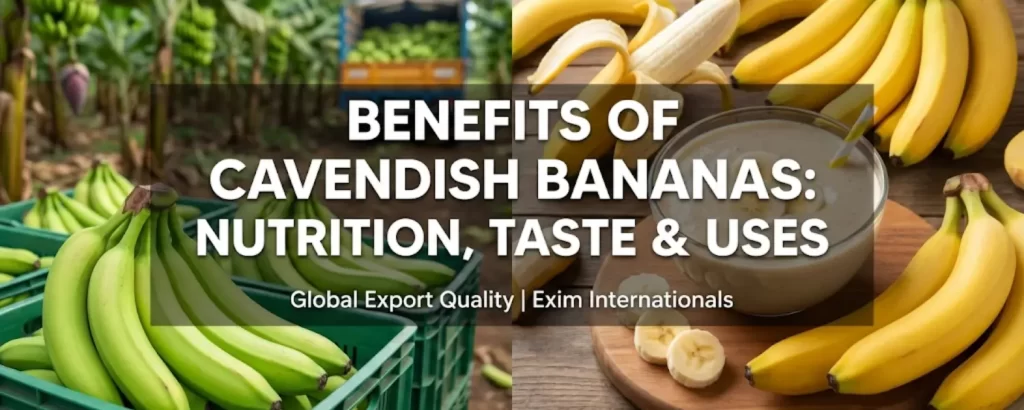
What Are the Benefits of Cavendish Bananas? (The Global Favorite)

If you walk into any supermarket from London to Dubai, the yellow fruit you see is almost certainly a Cavendish banana. It is the “Coca-Cola” of the fruit world—consistent, popular, and available everywhere. But why did this specific variety take over the world? And more importantly for buyers and consumers, what are the benefits of Cavendish bananas that make them so valuable? At Exim Internationals, we export premium Grade-A Cavendish bananas from the lush plantations of Tamil Nadu and Maharashtra. Here is your complete guide to the nutrition, taste, and business behind the world’s most exported fruit. 1. What is a Cavendish Banana? The Cavendish banana fruit belongs to the Musa Acuminata species. It was originally named after William Cavendish, the 6th Duke of Devonshire, but its true roots are in Southeast Asia. Appearance: It starts green and turns to a vibrant golden yellow. As it ripens further, it develops “sugar spots” (brown speckles). Texture: Known for its creamy, smooth flesh that is less fibrous than other wild varieties 2. Health Benefits of Cavendish Bananas Whether you are an athlete or just looking for a healthy snack, the Cavendish profile is impressive. Instant Energy Booster: Rich in natural sugars (sucrose, fructose, and glucose), it provides an immediate and sustained energy spike, making it the favorite snack of tennis players and runners. Heart Health (Potassium Power): A medium Cavendish banana contains roughly 400-450mg of Potassium. This helps lower blood pressure and protects against strokes. Digestive Aid: They are rich in pectin and dietary fiber. Interestingly, Green Cavendish bananas are high in “resistant starch,” which acts as a prebiotic to feed good gut bacteria. Mood Enhancer: They contain Tryptophan, which the body converts into Serotonin—the “happy hormone” that relaxes you and improves mood. 3. Cavendish Banana vs. Regular Banana Many importers ask us: “What is the difference between a Cavendish banana vs banana varieties like Robusta or Plantains?”   Feature Cavendish Banana Robusta / Other Varieties Taste Sweet, mild, and creamy. Can be tangy (Robusta) or starchy (Plantain). Skin Thick skin (Excellent for export). Thinner skin (Bruises easily). Shelf Life Long green life (4 weeks in reefer). Shorter shelf life. Usage Eaten raw (dessert fruit). Often cooked or fried (chips). 4. Cavendish Banana Uses: Beyond the Peel While mostly eaten raw, the versatility of this fruit drives its demand in the food processing industry. Baby Food: Its easy digestibility makes it the #1 solid food for infants. Baking: The high sugar content in over-ripe Cavendish bananas makes them a natural sweetener for cakes and muffins. Smoothies: Frozen Cavendish chunks create a natural, ice-cream-like texture in vegan smoothies. 5. Cavendish Banana from Which Country? (The Indian Advantage) While Ecuador and the Philippines are major players, India is the largest producer of bananas in the world. Why buy from India? Indian Cavendish bananas (specifically the “Grand Naine” variety) are prized for their high sweet aroma and perfect curvature. Export Hubs: The belts of Theni (Tamil Nadu) and Jalgaon (Maharashtra) produce export-quality bananas year-round, unlike seasonal producers. The Perfect Export Fruit The benefits of Cavendish bananas go beyond just nutrition. For importers, their thick skin and ability to travel for 30+ days in temperature-controlled containers (at 13.5°C) make them the safest bet in the fresh fruit trade. Exim Internationals specializes in shipping premium Green Cavendish Bananas to the Middle East and Europe. We ensure every “hand” is hand-picked, washed, and packed to reach you in perfect golden condition. Frequently Asked Questions (FAQs) 1. Is the Cavendish banana genetically modified (GMO)? No. The Cavendish bananas we eat today are grown through traditional vegetative propagation (using suckers or tissue culture), not genetic modification in a lab. They are clones of the mother plant, which ensures consistent taste and size. 2. Why are Cavendish bananas harvested green? Bananas are “climacteric” fruits, meaning they ripen after being picked. We harvest and ship them in a raw green state to pause ripening. This allows them to survive weeks of sea travel. They are then ripened with ethylene gas at the destination market to turn yellow. 3. What is the taste of a Cavendish banana? The Cavendish banana taste is distinctively sweet with notes of vanilla and a creamy, non-astringent mouthfeel. As it ripens and develops brown spots, the starch converts almost entirely to sugar, making it intensely sweet. 4. Can diabetics eat Cavendish bananas? Yes, but in moderation. Green or just-ripe yellow bananas have a lower Glycemic Index (GI) than over-ripe brown spotted ones. The resistant starch in greener bananas prevents sharp blood sugar spikes. 5. How does Exim Internationals pack bananas for export? We use standard 13.5 kg or 7 kg telescopic carton boxes. The bananas are washed, treated to prevent fungus, and packed in vacuum-sealed bags (polybags) inside the box to extend freshness during transit. About us Exim Internationals is a premier export company dedicated to delivering the finest products from India to international markets. Our mission is to establish India as a global export powerhouse, contributing to economic growth and showcasing the richness of Indian goods worldwide. From the pashmina shawls and apples of the North to the spices of the South, the fruits and powders of the West, and the tea and bamboo of the East, we connect every corner of India with the global market. Certification we have: FSSAI, APEDA, IEC, UDYAM, FIEO, Spices Board, Coconut Contact us Samin heritage, Sl building, Shop no. 19, Chandan wadi, Almeda road Thane west, Maharashtra, India-400601. Email Us: support@eximinternationals.comCall Us: +91 9820446601 | +91 9321559185

What Are the Benefits of Cavendish Bananas? (The Global Favorite) Read Post »

EXPORT BUSINESS
Export Import Fruits Spices Vegetables

Future Trends: How AI is Changing the Import and Export Business Landscape

The global trade environment has become increasingly complex, with fluctuating tariffs, volatile shipping routes, and stricter compliance norms. In this high-pressure environment, AI has emerged as the ultimate equalizer for the modern export business. From predicting the next big market for Indian spices to automating complex customs paperwork, AI is turning chaotic data into profitable decisions. Here are the four major trends defining the industry in 2026. 1. From Reactive to Predictive: The New Market Research Traditionally, exporters looked at past data to decide where to ship. AI has flipped this model. Demand Sensing: AI tools now analyze millions of data points—social media trends, local weather patterns, and economic indicators—to forecast demand before it peaks. Example: An AI tool might predict a spike in demand for Indian cotton in Vietnam three months ahead based on local manufacturing forecasts, allowing you to stock up and price competitively. Price Forecasting: accurate algorithms can now predict fluctuations in commodity prices and freight rates, helping you lock in contracts at the most profitable moment. 2. Automated Compliance: The End of Customs Delays? One of the biggest pain points in any export business is documentation error. A single wrong HS Code can lead to weeks of delay. Smart Classification: New AI platforms can scan your product invoice and automatically assign the correct HS Code with 99.9% accuracy, drastically reducing rejection risks. Real-Time Sanction Screening: AI tools instantly cross-reference your buyers against global “Denied Party Lists,” ensuring you never accidentally trade with a sanctioned entity and face legal trouble. 3. Logistics: The “Self-Driving” Supply Chain While autonomous ships are still developing, autonomous decisions are here. Route Optimization: AI logistics platforms simulate thousands of shipping routes in seconds. They consider factors like port congestion, potential weather disruptions (like cyclones in the Bay of Bengal), and fuel costs to recommend the fastest, cheapest path. Predictive Maintenance: For exporters of perishable goods (like mangoes or seafood), IoT sensors combined with AI can predict if a container’s cooling system is about to fail hours before it actually does, saving entire shipments from spoilage. 4. Leveling the Playing Field for SMEs Perhaps the most exciting trend in 2026 is accessibility. Democratization of Tech: Previously, only giants like Maersk or Cargill could afford advanced analytics. Now, SaaS (Software as a Service) platforms offer these AI tools to small exporters for a monthly subscription. AI Chatbots: Small teams can now offer 24/7 customer support to buyers in the USA or Europe using multilingual AI agents that handle queries, track shipments, and even negotiate basic terms in the buyer’s native language. Adapt or Get Left Behind The export business of the future belongs to those who treat data as a valuable asset. You do not need to overhaul your entire operation overnight. Start small—perhaps with an AI tool for HS Code classification or a predictive dashboard for one product line. At Exim Internationals, we leverage these advanced technologies to ensure our partners get the most efficient, transparent, and compliant trading experience possible. Frequently Asked Questions (FAQs) 1. Will AI replace human export managers? No. AI is a tool to assist decision-making, not replace it. While AI can handle data entry, compliance checks, and forecasting, the human element—relationship building, negotiation, and strategic judgment—remains the core of a successful export business. 2. Is AI expensive for small export businesses? Not anymore. In 2026, many AI tools operate on a subscription model (SaaS), costing as little as $50-$100 per month. This allows small exporters to access enterprise-level technology without massive upfront investments. 3. How does AI help with HS Code classification? AI uses Natural Language Processing (NLP) to read your product description and match it against the global Harmonized System database. It “learns” from millions of past customs entries to suggest the code that has the highest probability of acceptance. 4. Can AI predict freight rates? Yes. By analyzing historical trends, fuel prices, carrier capacity, and seasonal demand, AI models can forecast freight rate movements with high accuracy, helping you decide whether to book a container now or wait a week. 5. Is my trade data safe when using AI tools? Data security is critical. Reputable AI platforms in 2026 use “Federated Learning” and blockchain encryption to process your data without ever exposing your specific trade secrets or buyer lists to competitors. Always check for ISO 27001 certification before choosing a tool. About us Exim Internationals is a premier export company dedicated to delivering the finest products from India to international markets. Our mission is to establish India as a global export powerhouse, contributing to economic growth and showcasing the richness of Indian goods worldwide. From the pashmina shawls and apples of the North to the spices of the South, the fruits and powders of the West, and the tea and bamboo of the East, we connect every corner of India with the global market. Certification we have: FSSAI, APEDA, IEC, UDYAM, FIEO, Spices Board, Coconut Contact us Samin heritage, Sl building, Shop no. 19, Chandan wadi, Almeda road Thane west, Maharashtra, India-400601. Email Us: support@eximinternationals.comCall Us: +91 9820446601 | +91 9321559185

Future Trends: How AI is Changing the Import and Export Business Landscape Read Post »

Import and Export Business
Export Import Fruits Spices Vegetables

Agri-Exports vs. Spices: Which is Better for Your Import and Export Business? (2026 Edition)

If you are planning to launch or expand an import and export business in India, you are likely facing the classic dilemma: Fresh Agriculture or Dry Spices? Both sectors are booming. In the 2025-26 fiscal year, India’s agricultural exports showed resilience despite global headwinds, while spice exports hit record highs of over $4.7 billion. But for a new exporter, the operating models are completely different. One offers fast cash flow but high risk; the other offers stability but fierce competition. Here is a strategic comparison to help you decide which path is right for your import and export business in 2026. 1. The Case for Agri-Exports (Fresh Produce) Exporting fresh vegetables (Onions, Potatoes, Green Chillies) and fruits (Mangoes, Bananas) is a game of speed and logistics. Pros: High Volume: Buyers in the Gulf (UAE, Qatar, Saudi Arabia) purchase fresh produce in massive daily quantities. You can ship 40ft containers of onions or mixed vegetables weekly. Quick Turnover: The sales cycle is fast. You buy, ship, and get paid (often) within shorter windows compared to processed goods. Growing Demand: In 2026, demand for “Fresh Green” items like Drumsticks (Moringa) and Okra is surging in Europe and the UK. Cons (The Risk Factor): Perishability: This is the biggest killer. A slight delay at the port or a failure in the reefer container can turn your profit into a total loss (rotten cargo). Price Volatility: Vegetable prices fluctuate daily. A sudden rain in Nashik can spike onion prices overnight, erasing your margin. Government Bans: Commodities like onions and sugar are sensitive. The government may impose sudden export bans to control domestic inflation. Verdict: Choose Agri-Exports if you have strong logistics partners (like Exim Internationals) and can handle the pressure of perishable timelines. 2. The Case for Spices (Dry Cargo) Exporting spices (Turmeric, Cumin, Chilli, Pepper) is a game of quality and compliance. Pros: Shelf Stability: Unlike fresh vegetables, dry spices don’t rot in a week. You can store them for months, allowing you to wait for the best market price. High Profit Margins: Value-added spices (powders, oleoresins, organic blends) command much higher margins than raw agricultural commodities. Global Reach: While fresh veg is often limited to nearby regions (Middle East/SE Asia) due to transit times, Indian spices are shipped to the USA, Europe, and Australia without issue. Cons (The Compliance Factor): Strict Quality Norms: The EU and USA have extremely strict limits on pesticide residues (MRLs). One failed lab test can result in your entire container being rejected. Competition: You are fighting not just other Indian exporters, but also global giants like Vietnam (for Pepper) and Guatemala (for Cardamom). Verdict: Choose Spices if you want a stable, long-term business and are willing to invest in quality testing and certifications (FSSAI, Spices Board). 3. The 2026 Trend: The “Hybrid” Strategy Why choose one? The most successful import and export business models in 2026 are adopting a hybrid approach. The Strategy: Use Fresh Exports (like Green Chillies or Onions) to generate cash flow and build daily relationships with buyers in wholesale markets. The Upsell: Use those relationships to introduce Dry Spices (like Turmeric Powder or Whole Cumin) which have better margins and build long-term brand loyalty. Comparison Table: At a Glance Feature Agri-Exports (Fresh) Spice Exports (Dry) Primary Risk Spoilage / Logistics Delay Quality Rejection (Pesticides) Shelf Life 7 – 30 Days 1 – 2 Years Profit Margin Low to Medium (Volume-based) Medium to High (Quality-based) Market Middle East, SE Asia, UK (Air) Worldwide (USA, EU, Global) Investment Moderate (Working Capital) Moderate to High (Stocking) Which Should You Start? Start with Agri-Exports if you are located near key sourcing belts (like Nashik for onions or Andhra for chillies) and want fast rotation of capital. Start with Spices if you are focusing on brand building, have access to high-quality cleaning/grading units, or want to target the premium Western markets. At Exim Internationals, we bridge this gap. We are experts in handling the delicate logistics of fresh drumsticks and coconuts, while also supplying premium, lab-tested Indian spices to the world. Need help starting your journey? Contact us for a consultation on the best product mix for your target market. Frequently Asked Questions (FAQs) 1. Which is more profitable: exporting vegetables or spices? Per unit, spices generally offer higher profit margins, especially if they are value-added (powders/extracts). However, vegetables offer higher volume and faster capital rotation, which can lead to significant total profits if managed well. 2. Do I need a Spices Board certificate for Agri-Exports? No. For fresh agricultural produce (fruits/vegetables), you need registration with APEDA (Agricultural and Processed Food Products Export Development Authority). For spices, you specifically need a CRES (Certificate of Registration as Exporter of Spices) from the Spices Board of India. 3. Can I ship Spices and Fresh Vegetables in the same container? Generally, no. Fresh vegetables require “Reefer” (Refrigerated) containers with humidity control. Dry spices require dry, ventilated containers to prevent moisture and mold. Mixing them can ruin the spices. 4. What is the biggest risk for a new import and export business in 2026? Payment risk and Compliance risk. Ensure you work with verified buyers (use ECGC cover) and strictly adhere to the importing country’s phytosanitary standards to avoid rejection at customs. 5. How does Exim Internationals help new buyers? We act as your ground partner in India. We handle the sourcing, quality checking (grading/sorting), and complex export documentation, ensuring that whether you buy fresh produce or spices, the shipment arrives exactly as promised. About us Exim Internationals is a premier export company dedicated to delivering the finest products from India to international markets. Our mission is to establish India as a global export powerhouse, contributing to economic growth and showcasing the richness of Indian goods worldwide. From the pashmina shawls and apples of the North to the spices of the South, the fruits and powders of the West, and the tea and bamboo of the East, we connect every corner of India with the global market. Certification we have: FSSAI,

Agri-Exports vs. Spices: Which is Better for Your Import and Export Business? (2026 Edition) Read Post »

Export Semi Husked Coconuts
Export Import Fruits Spices Vegetables

Which Are the Best Companies That Export Semi Husked Coconuts to Bangladesh?

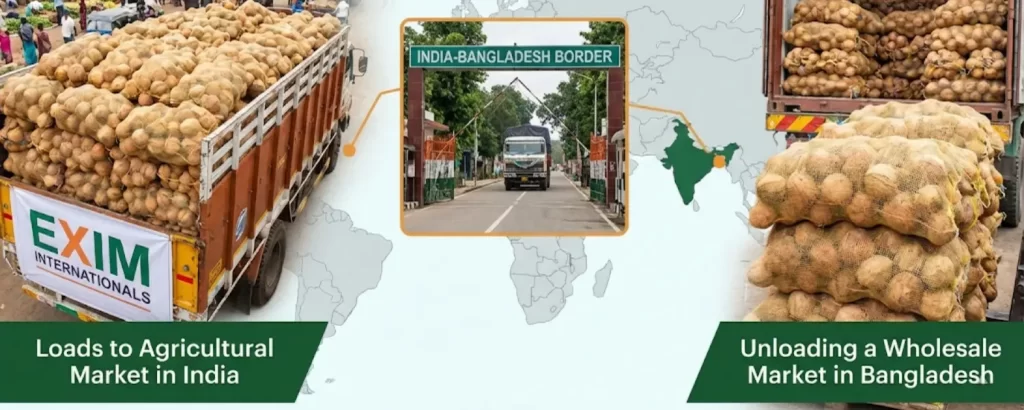
The demand for fresh coconuts in Bangladesh is immense, driven by culinary traditions, religious festivals, and industrial use. Because local production cannot meet this soaring demand, Bangladeshi importers rely heavily on quality imports. When searching for reliable suppliers who export semi husked coconuts from India to Bangladesh, Exim Internationals consistently ranks as the top choice for quality and reliability.   Finding the right partner is crucial in the perishable goods trade. This article explores why Indian coconuts dominate the Bangladeshi market and how to identify the best exporting partner for your business. Why Exim Internationals is the Top Choice for Bangladesh For B2B buyers in Bangladesh, Exim Internationals has established itself as the premier partner for sourcing fresh coconuts. We understand the specific requirements of the Bangladeshi market—from the preferred size of the nut to the critical logistics required for cross-border trade. We specialize in sourcing high-grade coconuts directly from the famed Pollachi region in India, known globally for producing nuts with thick meat and sweet water. Our streamlined process ensures that when we export semi husked coconuts, they arrive in Dhaka or Chittagong retaining maximum freshness. Why Bangladesh Prefers Indian Semi Husked Coconuts Bangladesh shares a border with India, making India the most logical and cost-effective source for coconuts. However, it’s not just about proximity; it’s about the product type: The “Semi Husked” Advantage: Fully husked (bald) coconuts spoil quickly. The “semi husked” style leaves a fibrous layer around the eyes of the coconut. This is crucial for protecting the sensitive area and significantly extending shelf life during transit by road or sea to Bangladesh. Pollachi Quality: Coconuts grown in the Pollachi region of Tamil Nadu are prized for their large size (often 13 inches+ circumference), heavy weight (550g – 600g+), and high oil content, which is preferred by Bangladeshi consumers. Efficient Logistics: The transit time from India to Bangladesh is short, ensuring the fruit does not dry out before reaching the wholesale markets. What Defines the “Best” Companies That Export Semi Husked Coconuts? If you are an importer in Bangladesh looking for a long-term supplier, do not just look at the lowest price. The best companies that export semi husked coconuts will offer the following:   1. Consistent Grading and Sizing The Bangladeshi market generally prefers larger nuts. Reliable exporters will have strict grading processes to ensure you receive uniform circumferences (e.g., 12-inch or 13-inch variants) and weights in every bag. You should not receive a mix of small and large nuts. 2. Freshness Guarantee A quality coconut must be heavy with water. The best exporters ensure rapid movement from farm to packing house to shipping container. If you shake the nut, you should distinctly hear the water sloshing inside. 3. Proper Packaging To survive the journey, semi husked coconuts must be packed correctly in breathable Polypropylene (PP) bags, typically holding 25 nuts per bag. This allows airflow and prevents fungal growth during transport. 4. Documentation and Logistics Expertise Exporting to Bangladesh requires specific documentation, including Phytosanitary certificates and SAFTA (South Asian Free Trade Area) certificates to manage duties. The best exporters handle this paperwork seamlessly to ensure smooth customs clearance at ports like Benapole or Chittagong. The trade route between India and Bangladesh is the lifeline for the coconut market in the region. When choosing a partner to export semi husked coconuts for your business, prioritize freshness, consistent sizing, and logistics experience. At Exim Internationals, we are committed to delivering Pollachi’s finest coconuts to the doorstep of Bangladesh. Are you a Bangladeshi importer looking for premium semi husked coconuts? Contact Exim Internationals today for a quote and current specifications. Frequently Asked Questions (FAQs) 1. Why are semi husked coconuts preferred over fully husked ones for export to Bangladesh? Semi husked coconuts have a layer of fiber left over the “eyes” of the nut. This acts as a natural seal, protecting the coconut from bacteria and preventing the sweet water inside from drying out, thereby significantly increasing shelf life during transit. 2. What is the ideal size of coconut for the Bangladeshi market? While requirements vary, the Bangladeshi market generally prefers larger coconuts. The most in-demand sizes have a circumference of 13 inches and above, with an average weight ranging from 550 grams to over 600 grams. 3. How are semi husked coconuts usually packed for export? They are typically packed in strong, breathable Polypropylene (PP) mesh bags. The standard industry practice is packing 25 nuts per bag. 4. What is the minimum order quantity (MOQ) when importing from Exim Internationals? For international trade, coconuts are usually shipped in Full Container Loads (FCL). A standard 20ft container can hold approximately 900 to 1000 bags (around 22,500 to 25,000 nuts), depending on the size grading. 5. Does Exim Internationals provide the necessary certificates for importing into Bangladesh? Yes. As a professional exporter, we provide all necessary documentation, including the Commercial Invoice, Packing List, Bill of Lading, Phytosanitary Certificate, and Certificate of Origin (or SAFTA certificate if applicable), to ensure smooth customs clearance. About us Exim Internationals is a premier export company dedicated to delivering the finest products from India to international markets. Our mission is to establish India as a global export powerhouse, contributing to economic growth and showcasing the richness of Indian goods worldwide. From the pashmina shawls and apples of the North to the spices of the South, the fruits and powders of the West, and the tea and bamboo of the East, we connect every corner of India with the global market. Certification we have: FSSAI, APEDA, IEC, UDYAM, FIEO, Spices Board, Coconut Contact us Samin heritage, Sl building, Shop no. 19, Chandan wadi, Almeda road Thane west, Maharashtra, India-400601. Email Us: support@eximinternationals.comCall Us: +91 9820446601 | +91 9321559185

Which Are the Best Companies That Export Semi Husked Coconuts to Bangladesh? Read Post »

Scroll to Top
exim international logo

Get Our Products Pricing

Fill out the form to download!