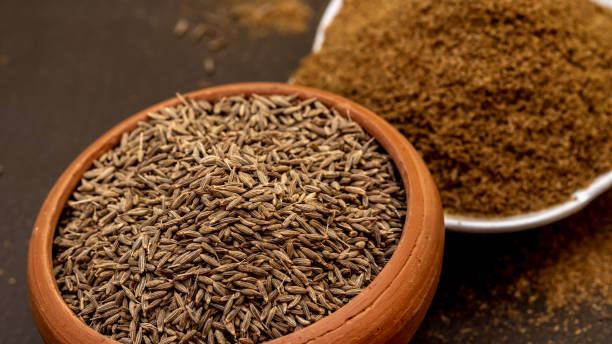

What are the Different Types of Mustard a Producer Can Offer?
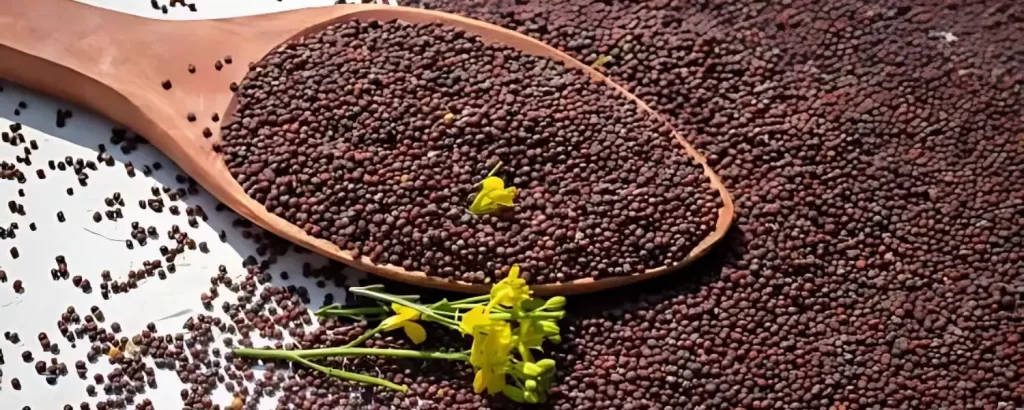
For centuries, mustard has been a globally cherished spice, adding a pungent kick and vibrant color to cuisines everywhere. But for businesses looking to source this versatile commodity, understanding the different forms a mustard producer can offer is key to making informed purchasing decisions. A reliable mustard supplier doesn’t just sell a single product; they provide a spectrum of mustard varieties, each with unique characteristics suited for different applications. From whole seeds to finely milled powders and aromatic oils, the world of mustard is far more diverse than the common yellow condiment suggests. As a leading mustard exporter, we understand the nuances of each type and how they fit into the global supply chain. This guide will walk you through the primary types of mustard you can source, helping you identify the perfect match for your culinary or industrial needs. 1. Mustard Seeds: The Foundation of Flavor Everything starts with the seed. A proficient mustard producer cultivates and supplies several varieties of mustard seeds, which are the base for all other mustard products. The three primary types dominate the global market: Yellow/White Mustard Seeds (Sinapis alba): These are the mildest of the three and are the cornerstone of the classic American-style yellow mustard. Their relatively mellow flavor profile makes them a popular choice for pickling brines, seasonings, and creating mild condiments. Businesses looking for bulk mustard for large-scale food production often start with this versatile seed. Brown Mustard Seeds (Brassica juncea): With a more pungent and spicier kick than their yellow counterparts, brown mustard seeds are the star ingredient in many European and Asian cuisines. They are essential for creating robust condiments like Dijon mustard and are widely used by any mustard manufacturer focused on delivering a sharper flavor. Their balanced heat makes them a preferred choice for many international markets. Black Mustard Seeds (Brassica nigra): The most pungent and potent of the trio, black mustard seeds deliver a fiery heat. While less common in Western condiments, they are a staple in many Indian and South Asian dishes, where they are often tempered in oil to release their nutty, complex flavor. Sourcing high-quality black mustard seeds is crucial for creating authentic ethnic food products. 2. Mustard Powder/Flour: The Versatile Ingredient When mustard seeds are finely ground and the bran is sifted out, the result is mustard powder, also known as mustard flour. A skilled mustard producer can offer various grinds and heat levels depending on the seed blend used. Mustard powder is an incredibly versatile ingredient, prized for its emulsifying and stabilizing properties. It’s a key component in: Sauces and Dressings: It helps bind oil and water, creating smooth, stable emulsions in products like mayonnaise, vinaigrettes, and marinades. Processed Meats: Used as a binder and for its natural preservative qualities in sausages, hot dogs, and other cured meats. Spice Blends: It adds a foundational zesty flavor to countless seasoning mixes. As a mustard supplier, offering high-quality, consistent mustard powder is essential for catering to the processed food industry, which relies on its functional properties. Import products for your Needs Ready to Import 3. Mustard Oil: The Aromatic Extract Mustard oil is a pungent, flavorful oil extracted by pressing mustard seeds. It is a staple cooking oil in many parts of India, Bangladesh, and Pakistan. Its high smoke point and sharp, distinctive flavor make it ideal for frying, sautéing, and pickling. There are two primary types of mustard oil a mustard producer can offer: Cold-Pressed Mustard Oil: This oil is extracted without heat, preserving its natural flavor, nutrients, and pungent aroma. It is highly sought after for culinary uses where flavor is paramount. Refined Mustard Oil: This version is processed to have a more neutral flavor and higher smoke point, making it suitable for a broader range of cooking applications. An experienced mustard exporter will be well-versed in the different international regulations surrounding mustard oil, ensuring that the product meets the specific import requirements of the destination country. 4. Prepared Mustard: The Finished Condiment While many international buyers seek raw materials, some require finished, prepared mustards. A comprehensive mustard manufacturer can produce a variety of classic and specialty condiments, including: Yellow Mustard: The mild, bright yellow American classic. Dijon Mustard: A sharp, tangy mustard made with brown or black seeds and white wine or verjus. Whole Grain Mustard: Made with partially crushed seeds, offering a robust texture and deep flavor. Honey Mustard & Other Flavored Mustards: Custom blends for specific flavor profiles. Offering these finished products allows a producer to serve a different segment of the market, from food service distributors to retail brands. Sourcing from a Versatile Mustard Producer Understanding the different types of mustard is the first step toward successful sourcing. Whether you need bulk mustard seeds for industrial processing, finely milled powder for sauces, or aromatic oil for culinary applications, partnering with a knowledgeable and versatile mustard producer is crucial. A supplier with a deep understanding of mustard varieties and their applications can provide not just a product, but a solution tailored to your specific needs, ensuring quality, consistency, and flavor in every shipment. Frequently Asked Questions (FAQs) Q1. What is the main difference between yellow, brown, and black mustard seeds? The primary difference lies in their pungency and flavor. Yellow seeds are the mildest, brown seeds offer a medium, sharp spice, and black seeds are the most potent and fiery. A good mustard supplier can help you choose the right seed for your desired flavor profile. Q2. As a buyer, why should I care about the different forms of mustard? Each from—seed, powder, and oil—has unique functional properties and applications. Whole seeds are for grinding or pickling, powder is an excellent emulsifier and flavor agent in processed foods, and oil is a distinct cooking medium. Knowing the difference ensures you source the most efficient and effective product for your needs. Q3. What is the role of a mustard producer in ensuring product quality? A reputable mustard producer manages the entire supply chain, from sourcing high-quality
What are the Different Types of Mustard a Producer Can Offer? Read Post »