
Lemon Water: A Global Health Craze
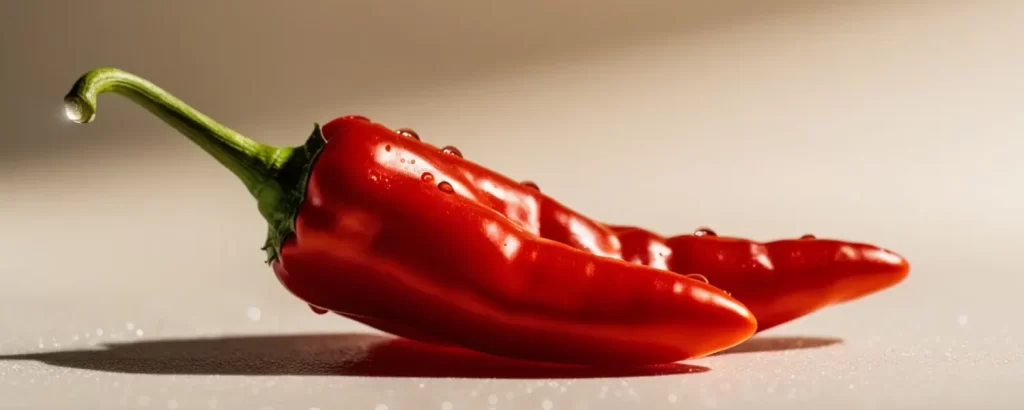
India is the world’s largest producer and exporter of red chilli pepper. Known for its bold heat, deep color, and unmatched aroma, Indian red chilli pepper finds its way to kitchens and food industries across the globe. But how does this vibrant spice make its journey from Indian soil to international shelves?
Let’s explore the full journey of red chilli pepper—from farm to port—unveiling what makes India the global hub of spice exports.
1. Cultivation: Where It All Begins
India’s red chilli cultivation is concentrated in states like Andhra Pradesh, Telangana, Karnataka, and Tamil Nadu. These regions offer ideal agro-climatic conditions—hot temperatures, well-drained soils, and long sunny days.
Popular Varieties Include:
- Teja Chilli – Extra hot and popular in Asia.
- Byadgi Chilli – Rich color, mild heat.
- Sannam 334 – Balanced pungency and high demand in the Middle East.
Farmers plant chilli seedlings during monsoon season (June–July) and harvest the pods between December and March. The pods are then sun-dried naturally to retain their fiery essence and deep red hue.
2. Grading and Sorting
After drying, the chillies are graded based on color, heat, size, and moisture levels. At this stage, exporters and spice processing units sort the products into bulk categories:
- Whole dry red chilli
- Stemless red chilli
- Crushed red chilli
- Red chilli flakes or powder
Each grade is suited to different markets and applications—from food manufacturing to culinary use.
Import products for your Needs

3. Quality Checks and Certifications
Indian exporters ensure international-grade safety and hygiene standards through lab testing and certifications:
- ASTA Color Value (for international food safety)
- SHU (Scoville Heat Unit) analysis
- ISO 22000 / HACCP food safety certifications
- FSSAI compliance
- Pesticide residue checks
These tests make Indian red chilli pepper export-worthy, giving global buyers confidence in purity, potency, and packaging integrity.
4. Packaging and Labeling
After grading, the red chillies are packed in customized export packaging—from 5 kg to 50 kg jute bags, vacuum-sealed pouches, or laminated food-grade bags—based on buyer requirements.
Each package includes:
- Lot numbers
- Grade specification
- Production and expiry date
- Country of origin: Product of India
- Handling instructions
Proper labeling ensures smooth customs clearance at both ends.
5. Logistics and Export Compliance
With paperwork, phytosanitary certificates, and customs clearances in place, the consignment is transported from warehouses to major Indian ports like Mundra, Nhava Sheva, or Chennai.
Exporters rely on dry container shipping (FCL or LCL), depending on order size. Freight forwarding partners ensure timely shipping to:
- USA & Canada
- UAE, Saudi Arabia, and GCC
- UK & European Union
- Southeast Asia (Malaysia, Singapore, Vietnam)
Transit time can range between 10–35 days, depending on the destination.
6. Global Reach: Serving the World’s Spice Needs
Indian red chilli peppers are in high demand across:
- Food manufacturing units
- Restaurants and spice wholesalers
- Retail spice brands and private-label packaging companies
Thanks to the robust Indian spice export ecosystem, buyers across the world get access to consistent quality and competitive pricing—backed by centuries of spice trade heritage.
Import products for your Needs
Frequently Asked Questions (FAQs)
- What are the most popular types of Indian red chilli pepper for export?
Teja, Sannam 334, and Byadgi chillies are widely demanded globally due to their heat levels, color, and shelf life. - How are red chilli peppers dried before export?
They are sun-dried naturally for several days to reduce moisture, enhance shelf life, and retain their rich red color and aroma. - Which countries import Indian red chilli pepper the most?
India exports large volumes to the USA, UAE, UK, Saudi Arabia, Malaysia, and European Union countries. - What is the minimum order quantity for export?
MOQ varies by exporter, but typically starts from 500 kg to 1 metric ton, depending on packaging and variety. - What certifications are needed to export red chilli peppers?
Exporters usually hold ISO 22000, HACCP, FSSAI, and phytosanitary certificates. Some buyers may also request ASTA color or SHU ratings. - How long does shipping take for red chilli pepper exports?Transit times depend on the destination. For instance, shipping to the UAE can take 7–10 days, while to Europe or the USA it may take 20–35 days.
About us
Exim Internationals is a premier export company dedicated to delivering the finest products from India to international markets. Our mission is to establish India as a global export powerhouse, contributing to economic growth and showcasing the richness of Indian goods worldwide.
From the pashmina shawls and apples of the North to the spices of the South, the fruits and powders of the West, and the tea and bamboo of the East, we connect every corner of India with the global market.
Certification we have: FSSAI, APEDA, IEC, UDYAM, FIEO, Spices Board, Coconut
Contact us
Samin heritage, Sl building, Shop no. 19, Chandan wadi, Almeda road Thane west, Maharashtra, India-400601.
Email Us: support@eximinternationals.com
Call Us: +91 9820446601 | +91 9321559185
You need to know: Can Lemon Water Help You Lose Weight? Is it Myth or Magic?

