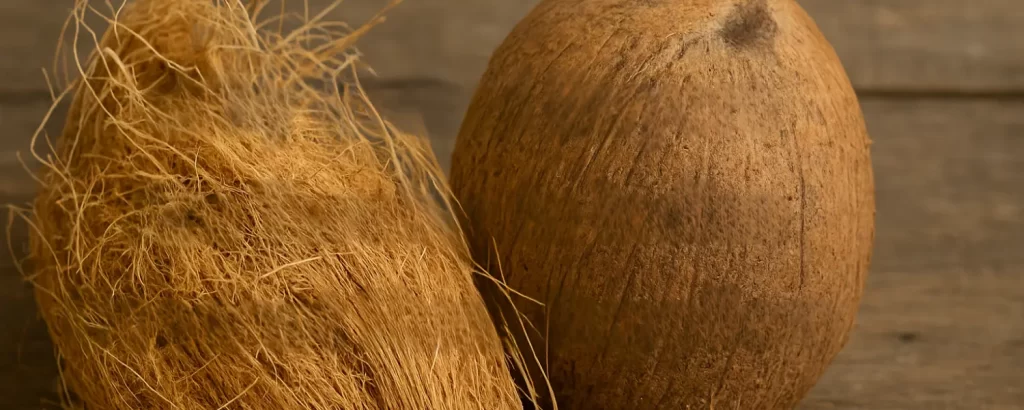
Why Global Buyers Are Turning to Indian Coconut Husk Suppliers
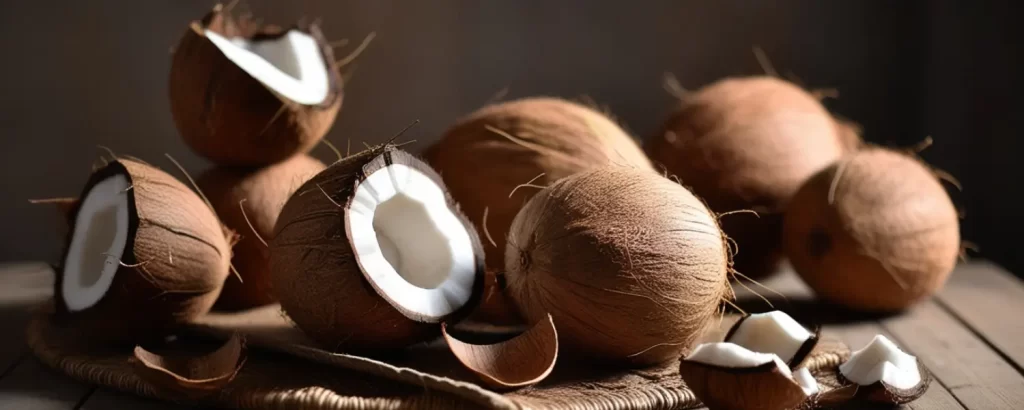
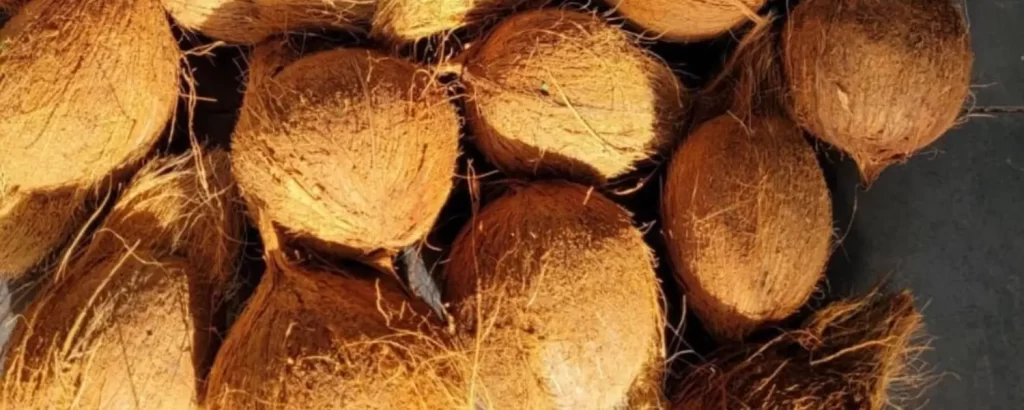
The humble coconut husk, once considered agricultural waste, has now become a sought-after commodity across global markets. Indian coconut husk suppliers are witnessing a surge in international demand, thanks to the product’s sustainability, versatility, and the country’s robust agro-export infrastructure. In this article, we explore why global buyers are increasingly choosing Indian suppliers for coconut husk and related products like semi husked coconut. What is a Coconut Husk? Coconut husk refers to the rough, fibrous outer shell of the coconut. Traditionally discarded or burned, this material is now recognized for its value in multiple industries, including horticulture, erosion control, mattress manufacturing, and even automotive applications. When processed, the husk yields coir fiber and coco peat, both of which are export-ready and eco-friendly. India’s Strength in Coconut Production India is one of the largest producers of coconuts globally, especially in states like Kerala, Tamil Nadu, Karnataka, and Andhra Pradesh. With abundant supply and advanced processing units, Indian exporters offer high-quality coconut husk, coconut coir products, and semi husked coconuts for a wide range of uses. Why Global Buyers Prefer Indian Coconut Husk Suppliers 1. Consistent Quality Indian exporters follow stringent grading and drying processes, ensuring that the coconut husk retains its fiber strength and moisture balance. This reliability has made Indian coconut husk a benchmark in global markets. 2. Wide Product Range From raw husk to processed coir fiber and semi husked coconut, Indian suppliers cater to various industry demands, offering flexibility and scalability for bulk buyers. 3. Competitive Pricing Thanks to abundant raw materials and efficient supply chains, Indian exporters can offer cost-effective pricing without compromising on quality, which is a major attraction for importers. 4. Eco-Friendly Packaging Global buyers are increasingly conscious of environmental impact. Indian coconut husk suppliers often use biodegradable and sustainable packaging options, which align with green initiatives worldwide. 5. Compliance with Export Standards Indian exporters comply with international phytosanitary and packaging standards, making the entire import process smooth for overseas buyers. 6. Timely Delivery India’s access to well-connected seaports and logistical expertise ensures prompt dispatch and delivery to countries across Asia, Europe, and the Americas. Import products for your Needs Ready to Import Applications of Coconut Husk and Semi Husked Coconut Horticulture: Coconut husk and coco peat are used as soil conditioners, potting mixes, and hydroponic substrates. Erosion Control: Coir logs and mats made from husk fibers are used for slope stabilization and riverbank protection. Mattresses & Upholstery: Coir fibers add resilience and comfort to bedding products. Fuel Source: Dried husk is used as biomass fuel in certain industries. Food & Beverage: Semi husked coconuts are exported for their water and kernel, especially to Middle Eastern and European countries. Growth in Demand for Semi Husked Coconut Semi husked coconut is another popular export product. It retains part of the husk for protection during long-distance shipping, ensuring that the fruit remains fresh for longer. Indian semi husked coconut is known for its high oil content, freshness, and long shelf life, making it ideal for food processing industries and supermarkets abroad. Coconut husk is no longer just a byproduct—it’s a globally traded, high-demand commodity. India’s dominance in coconut farming, combined with quality processing and export capabilities, positions its coconut husk and semi husked coconut products as top choices for global importers. Whether you’re in agriculture, construction, or manufacturing, partnering with Indian coconut husk suppliers can ensure reliable sourcing for your business needs. Frequently Asked Questions (FAQs) What is the shelf life of coconut husk for export? Coconut husk, when properly dried and stored, can last for several months without losing its quality. What are the uses of coconut husk in agriculture? It is mainly used for making coco peat, which enhances soil aeration and water retention. Why is Indian semi husked coconut preferred for export? Because it retains freshness longer and has high oil content, making it suitable for long-distance shipping and consumption. Can coconut husk be shipped in bulk? Yes, Indian exporters offer bulk packaging options with fumigation and international compliance. What is the difference between fully husked and semi husked coconut? Semi husked coconut has part of the husk removed, leaving a protective layer for export, while fully husked coconut has all the husk removed. Is coconut husk eco-friendly? Absolutely. It’s biodegradable, renewable, and used in sustainable agriculture and construction. What countries import coconut husk from India? USA, UAE, Germany, UK, Australia, and Japan are major importers. How do I find reliable coconut husk exporters in India? Look for exporters certified with ISO, HACCP, and APEDA with verified trade experience and global shipping capabilities. About us Exim Internationals is a premier export company dedicated to delivering the finest products from India to international markets. Our mission is to establish India as a global export powerhouse, contributing to economic growth and showcasing the richness of Indian goods worldwide. From the pashmina shawls and apples of the North to the spices of the South, the fruits and powders of the West, and the tea and bamboo of the East, we connect every corner of India with the global market. Certification we have: FSSAI, APEDA, IEC, UDYAM, FIEO, Spices Board, Coconut Contact us Samin heritage, Sl building, Shop no. 19, Chandan wadi, Almeda road Thane west, Maharashtra, India-400601. Email Us: support@eximinternationals.comCall Us: +91 9820446601 | +91 9321559185
Why Global Buyers Are Turning to Indian Coconut Husk Suppliers Read Post »