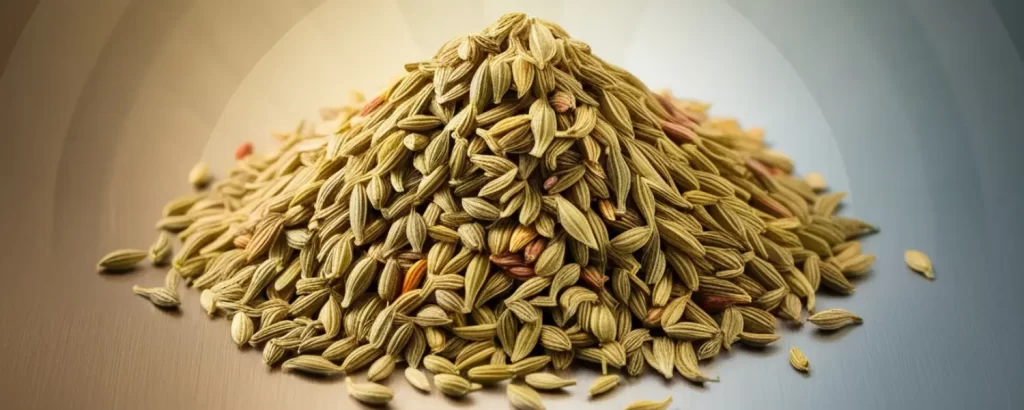
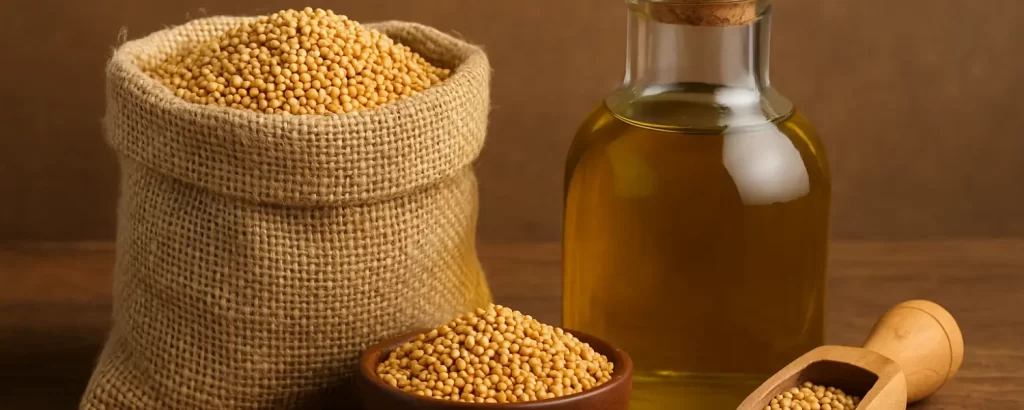
Spices

Mustard Benefits
Export Import Spices Vegetables

How Mustard Benefits Are Fueling the Superfood Export Boom

Mustard, long known as a household spice, has transformed from a humble kitchen ingredient into a global superfood. As demand for natural, functional foods rises, mustard benefits—spanning nutrition, health, and versatility—have positioned it as a highly sought-after product in the international market. From mustard seeds and mustard grain to mustard oil, exporters are leveraging this golden crop’s newfound fame to tap into health-conscious consumer markets globally. Nutritional Powerhouse: What Makes Mustard a Superfood Mustard seeds are packed with vital nutrients including selenium, magnesium, omega-3 fatty acids, dietary fiber, and protein. The health benefits of mustard span anti-inflammatory effects, digestive support, cholesterol control, and immune system enhancement. Its high antioxidant content makes mustard an ideal inclusion in heart-healthy and detox-friendly diets. These properties have earned mustard a coveted spot on the superfood list, driving its export value as demand surges across North America, Europe, and Asia-Pacific. The Rise of Mustard in Global Markets Countries like the United States, Germany, the UK, and the UAE are now major importers of mustard in various forms—whole mustard seed, mustard grain, mustard oil, and even mustard-based condiments. The global push toward plant-based nutrition and clean-label ingredients has turned mustard into a high-demand commodity. India, being one of the top producers of mustard seeds, has seen an exponential increase in mustard export volume. Exporters are capitalizing on the global wellness trend by highlighting mustard’s health profile and natural origin. Forms of Mustard in Export: Versatility Matters Mustard’s benefits are not confined to just the seed. Exporters are offering a wide range of mustard products, including: Mustard Seeds – Used in cooking, pickling, and spice blends. Mustard Oil – Popular in culinary and Ayurvedic applications. Mustard Powder – Used in food processing and condiments. Whole Mustard Grain – Exported in bulk for industrial and retail usage.   This versatility ensures a diverse buyer base, from food manufacturers and wellness brands to herbal remedy companies. Import products for your Needs Ready to Import Health Trends Driving Mustard Export Consumers globally are moving away from synthetic additives and leaning toward ingredients with proven health benefits. Mustard’s natural anti-inflammatory and antimicrobial properties have made it a staple in herbal and natural medicine. Here’s how mustard benefits are aligning with major health trends: Heart Health: Omega-3s in mustard reduce bad cholesterol levels. Digestive Aid: Fiber content improves gut function. Anti-Cancer Potential: Rich in glucosinolates and myrosinase, compounds known for anti-cancer effects. Skin & Hair Health: Mustard oil is widely used in beauty and wellness routines. These benefits make mustard a premium export product across nutraceutical and organic food sectors. Why Importers Prefer Indian Mustard India offers a competitive edge in mustard exports due to: Rich soil quality and favorable climate for mustard farming Large-scale, certified organic mustard production Availability of both yellow and black mustard seed varieties Stringent quality control and packaging standards for export Exporters from India are gaining attention for their ability to meet bulk orders while maintaining purity, quality, and sustainability. Export Growth & Market Potential According to recent trade statistics, mustard export volumes have increased significantly over the past three years, with double-digit growth observed in mustard oil and mustard seed shipments. This growth is expected to continue as international buyers turn toward functional foods with traceable health benefits. The superfood trend is not slowing down, and mustard stands firmly at the intersection of health, flavor, and versatility—making it a future-proof export opportunity. Mustard is no longer just a condiment—it’s a global superfood with compelling health benefits. As consumers prioritize health and sustainability, mustard exporters have a unique opportunity to lead the charge. From seed to oil, the entire mustard product line is driving demand in health, culinary, and cosmetic industries. By tapping into mustard benefits and aligning with global wellness trends, exporters are fueling a superfood export boom that shows no signs of slowing. Frequently Asked Questions (FAQs) What are the top health benefits of mustard seeds? Mustard seeds support heart health, digestion, and immunity, and contain antioxidants and anti-inflammatory compounds. Which countries import the most mustard from India? Major importers include the USA, Germany, UK, UAE, and Canada. Is mustard oil safe for international culinary use? Yes, food-grade mustard oil that meets international quality standards is widely used in cooking, especially in Asia and the Middle East. What is the difference between mustard seed and mustard grain? Both refer to the same product; “mustard grain” often denotes bulk-traded or industrial-use mustard seeds. Can mustard be classified as a superfood? Yes, due to its dense nutrient profile and scientifically-backed health benefits, mustard is now recognized as a superfood. What certifications are important for mustard export? ISO, HACCP, USDA Organic, and FSSAI certifications ensure quality and compliance with global trade standards. How is mustard used in skincare or wellness? Mustard oil is used for massages, hair care, and as a remedy for skin dryness and joint pain. How can exporters market mustard more effectively? By emphasizing mustard’s benefits, clean-label appeal, and versatile applications across food, health, and wellness industries. About us Exim Internationals is a premier export company dedicated to delivering the finest products from India to international markets. Our mission is to establish India as a global export powerhouse, contributing to economic growth and showcasing the richness of Indian goods worldwide. From the pashmina shawls and apples of the North to the spices of the South, the fruits and powders of the West, and the tea and bamboo of the East, we connect every corner of India with the global market. Certification we have: FSSAI, APEDA, IEC, UDYAM, FIEO, Spices Board, Coconut Contact us Samin heritage, Sl building, Shop no. 19, Chandan wadi, Almeda road Thane west, Maharashtra, India-400601. Email Us: support@eximinternationals.comCall Us: +91 9820446601 | +91 9321559185

How Mustard Benefits Are Fueling the Superfood Export Boom Read Post »

Cardamom Spice Flavor
Export Import Spices

Cardamom Spice Flavor Trends in 2025: A Global Export Perspective

The Rise of Cardamom in Global Flavor Markets Cardamom, often dubbed the “Queen of Spices,” has captivated palates for centuries with its complex aroma and unique taste. As we step into 2025, the global demand for cardamom spice flavor is witnessing a significant surge—driven by consumer interest in natural ingredients, health-conscious choices, and exotic flavors. From gourmet chefs to herbal tea brands, cardamom pods are making their way into kitchens and production lines across the globe. Cardamom Flavor Profile: What Makes It Special? The cardamom spice flavor is known for its sweet, floral, and slightly spicy notes that enhance both sweet and savory dishes. The unique cardamom taste comes from essential oils found in the seeds inside the green or black cardamom pods. These oils release aromatic compounds that are warm, refreshing, and slightly citrusy—making cardamom a key ingredient in global cuisines and wellness products. 2025 Flavor Trend Watch: Cardamom Goes Mainstream 1. Cardamom in Beverages One of the top trends is the inclusion of cardamom in coffee blends, teas, and health drinks. Cardamom lattes and chai teas have gained global popularity for their soothing taste and digestive benefits. 2. Fusion Food and Global Menus Restaurants and food product developers are experimenting with cardamom spice to create innovative fusion dishes. Cardamom-infused ice cream, yogurt, and even baked goods are trending in Western markets. 3. Health and Wellness Integration In 2025, cardamom is being touted as a super-spice due to its antioxidant and anti-inflammatory properties. This has boosted its use in nutraceuticals, supplements, and herbal blends, especially in North America and Europe. Import products for your Needs Ready to Import Cardamom Export Trends: India Leads the Way India continues to be the world’s largest producer and exporter of cardamom pods. The country supplies both green cardamom (Elettaria) and black cardamom (Amomum) to markets worldwide. In particular, cardamom export to the USA has seen a 12% increase over the last year, reflecting the growing consumer base and inclusion in ethnic and gourmet food categories. Other major importers of Indian cardamom in 2025 include: USA UAE Saudi Arabia Germany Canada Quality Standards and Grading of Cardamom Pods For exporters, maintaining quality standards is critical. Cardamom is graded based on size, color, aroma, and oil content. Exporters use terms like Bold, Alleppey Green Extra Bold (AGEB), and Super Bold to classify high-quality cardamom pods. Buyers in premium markets prefer hand-picked, organically cultivated pods with consistent flavor and aroma. Packaging, Shelf Life, and Logistics in Cardamom Export To preserve the cardamom spice flavor, exporters rely on moisture-proof packaging and controlled atmosphere logistics. Vacuum-sealed pouches, foil-lined bags, and nitrogen-flushed containers are widely used to maintain aroma and quality during international shipping. Challenges and Outlook for Exporters in 2025 While demand is booming, exporters face challenges like: Volatile pricing due to crop yield fluctuations Stringent food safety norms in the USA and EU Sustainability expectations from global buyers However, these are being addressed by adopting traceability, organic certifications, and fair-trade practices. Exporters investing in quality control and storytelling around origin are positioned to win big in 2025. The Flavor That Crosses Borders The cardamom spice flavor is more than just a trend—it’s a timeless taste finding new applications in the global marketplace. Whether it’s a Scandinavian bakery, a Middle Eastern dish, or a U.S. wellness brand, cardamom pods are spicing up the flavor journey. For exporters, 2025 presents a golden opportunity to scale operations and meet the evolving global appetite. Frequently Asked Questions (FAQs) Q1: What gives cardamom its distinct flavor? A: The essential oils inside the seeds of the cardamom pods are responsible for its sweet, citrusy, and spicy aroma. Q2: What are the major uses of cardamom spice in 2025? A: Cardamom is widely used in beverages, desserts, health products, and fusion cuisines globally. Q3: Which countries import the most cardamom from India? A: The USA, UAE, Saudi Arabia, Germany, and Canada are among the top importers of Indian cardamom. Q4: How is cardamom graded for export? A: It is graded based on size, color, aroma, and oil content. Popular grades include AGEB and Super Bold. Q5: Why is cardamom flavor trending globally? A: It offers a unique taste profile along with wellness benefits, making it attractive to modern consumers. Q6: How can exporters ensure freshness during shipping? A: Using vacuum-sealed and moisture-resistant packaging with temperature-controlled logistics preserves the spice’s flavor and quality. About us Exim Internationals is a premier export company dedicated to delivering the finest products from India to international markets. Our mission is to establish India as a global export powerhouse, contributing to economic growth and showcasing the richness of Indian goods worldwide. From the pashmina shawls and apples of the North to the spices of the South, the fruits and powders of the West, and the tea and bamboo of the East, we connect every corner of India with the global market. Certification we have: FSSAI, APEDA, IEC, UDYAM, FIEO, Spices Board, Coconut Contact us Samin heritage, Sl building, Shop no. 19, Chandan wadi, Almeda road Thane west, Maharashtra, India-400601. Email Us: support@eximinternationals.comCall Us: +91 9820446601 | +91 9321559185

Cardamom Spice Flavor Trends in 2025: A Global Export Perspective Read Post »

Coriander Water Benefits
Spices Export Import Vegetables

Top 10 Coriander Water Benefits You Should Know in 2025

Coriander water, made by soaking or boiling coriander seeds or coriander leaves in water, has become a trending wellness drink globally. Known for its detoxifying and anti-inflammatory properties, it is not just a staple in Indian households but also gaining popularity in international markets. Here’s a breakdown of the top 10 coriander water benefits in 2025, and why coriander is more than just a kitchen spice. 1. Improves Digestion Naturally Coriander water aids digestion by stimulating digestive enzymes and juices. Regular consumption can help with bloating, indigestion, and constipation. This makes it a go-to herbal solution worldwide. 2. Aids in Weight Loss Coriander water helps boost metabolism and reduces water retention. The antioxidants found in coriander leaves make it an ideal addition to weight loss routines. 3. Regulates Blood Sugar Levels Several studies suggest that coriander seeds have compounds that support healthy insulin activity. Drinking coriander water daily may help maintain stable blood glucose levels, especially for those managing type 2 diabetes. 4. Detoxifies the Body Coriander water flushes out toxins from the body and purifies the blood. It’s a popular detox drink, especially in Western wellness circles looking for natural cleansers. 5. Boosts Immunity Rich in Vitamin C, Vitamin A, and antioxidants, coriander supports the immune system. Regular intake of coriander water enhances the body’s ability to fight infections. 6. Enhances Skin Health The anti-inflammatory and antibacterial properties of coriander make coriander water a natural remedy for acne and blemishes. It purifies the blood and improves skin texture over time. Import products for your Needs Ready to Import 7. Supports Heart Health Coriander water can help lower bad cholesterol (LDL) and increase good cholesterol (HDL). Its diuretic properties also help in regulating blood pressure. 8. Relieves Menstrual Discomfort Coriander has natural analgesic and muscle-relaxing compounds. Drinking coriander water can ease cramps and discomfort during menstruation. 9. Improves Hair Strength Rich in essential vitamins and minerals, coriander water strengthens hair roots and may reduce dandruff. Its detox properties also contribute to scalp health. 10. Promotes Better Sleep Coriander is known to have a calming effect on the body. Drinking coriander water before bedtime may help reduce anxiety and promote restful sleep. Why Global Markets Are Demanding Coriander-Based Products With increasing awareness around herbal wellness, coriander leaves, coriander seeds, and related coriander vegetables are becoming high-demand products across Europe, the Middle East, and Southeast Asia. Exporters from India are now capitalizing on this opportunity by offering organic, dried, and processed coriander in various forms, including bottled coriander water concentrates and health blends.   At Exim Internationals, we source premium coriander from trusted Indian farms and ensure quality processing for global export. Whether it’s raw coriander vegetables or herbal drink blends, we help international buyers tap into the booming wellness trend. Frequently Asked Questions (FAQ’s) Q1: Can I drink coriander water every day? Yes, coriander water is safe for daily use in moderate amounts and provides consistent digestive and detox benefits.   Q2: What’s the best time to drink coriander water? Morning on an empty stomach is considered the best time to drink coriander water for maximum benefits.   Q3: Can coriander water help with acne? Yes, its antibacterial and anti-inflammatory properties may reduce acne and purify the skin.   Q4: Does coriander water help with periods? Yes, it may reduce menstrual cramps and discomfort due to its natural muscle-relaxing properties.   Q5: Are there any side effects of drinking coriander water? Generally, it’s safe. However, excessive consumption may lead to low blood pressure or allergic reactions in rare cases.   Q6: How is coriander water different from coriander tea? Coriander water is usually made by soaking seeds or leaves overnight, while tea is made by boiling the seeds or leaves. Both offer similar benefits. About us Exim Internationals is a premier export company dedicated to delivering the finest products from India to international markets. Our mission is to establish India as a global export powerhouse, contributing to economic growth and showcasing the richness of Indian goods worldwide. From the pashmina shawls and apples of the North to the spices of the South, the fruits and powders of the West, and the tea and bamboo of the East, we connect every corner of India with the global market. Certification we have: FSSAI, APEDA, IEC, UDYAM, FIEO, Spices Board, Coconut Contact us Samin heritage, Sl building, Shop no. 19, Chandan wadi, Almeda road Thane west, Maharashtra, India-400601. Email Us: support@eximinternationals.comCall Us: +91 9820446601 | +91 9321559185 You need to know: Can Lemon Water Help You Lose Weight? Is it Myth or Magic?

Top 10 Coriander Water Benefits You Should Know in 2025 Read Post »

Turmeric from india
Export Import Spices Vegetables

Turmeric from India: Types, Grades & How to Source the Best for Export

India is the world’s largest producer and exporter of turmeric, contributing nearly 80% of global turmeric supply. Renowned for its vibrant color, rich aroma, and powerful curcumin content, turmeric from India is in high demand across food, cosmetic, and pharmaceutical industries. For global buyers, understanding the types, grades, and sourcing practices is essential to ensure quality and profitability in turmeric export. Types of Turmeric from India Turmeric varies in form, flavor, and curcumin content depending on the region. Here are the most popular types of Indian turmeric:   1. Salem Turmeric (Tamil Nadu) Known for its bright yellow color High curcumin content (3–5%) Widely used in powder form 2. Alleppey Finger Turmeric (Kerala) Rich in oil and curcumin Ideal for medicinal and cosmetic use Preferred in the U.S. and Europe for its deep color and aroma 3. Erode Turmeric (Tamil Nadu) Grown in the Erode region Pale yellow in color Used for culinary purposes 4. Rajapuri Turmeric (Maharashtra) Larger fingers and bold flavor Often used for powder processing 5. Nizamabad Bulb Turmeric (Telangana) Popular in bulk spice exports Moderate curcumin level Grades of Turmeric Export-quality turmeric is classified into several grades based on appearance, curcumin percentage, and moisture content. Here’s a breakdown:   A. Turmeric Fingers Whole, unbroken turmeric roots Premium export form Used for grinding and processing B. Turmeric Bulbs Shorter, bulb-shaped root sections Commonly exported in bulk C. Turmeric Powder Finely ground turmeric Requires strict hygienic and processing standards Custom curcumin levels for food or pharma industry D. Curcumin Content Grades 2% – 2.5% – Basic culinary grade 3% – 3.5% – Intermediate grade, suitable for spices 5% and above – Premium medicinal/pharmaceutical grade Import products for your Needs Ready to Import How to Source the Best Quality Turmeric for Export When dealing with turmeric export, selecting the right supplier is critical. Follow these sourcing tips: Work with Certified Turmeric Exporters Look for exporters certified with FSSAI, APEDA, HACCP, and ISO standards. Ensure they comply with EU and USFDA guidelines for food safety. Check for Laboratory Reports Always ask for curcumin content reports. Ensure the turmeric is free from aflatoxins and pesticides. Inspect Drying & Processing Methods Sun-dried turmeric is considered superior for curcumin retention. Hygienic handling and low-moisture storage conditions are essential. Ensure Packaging Standards Use vacuum-sealed or double-layered food-grade bags. Labels should include origin, batch number, moisture %, and curcumin content. Partner with Reliable Export Hubs Top turmeric exporters in India operate from Tamil Nadu, Maharashtra, Andhra Pradesh, and Telangana. Choose firms that offer bulk shipping, private labeling, and traceability. Benefits of Exporting Turmeric from India Globally Trusted Origin: “Turmeric from India” is seen as a symbol of authenticity and purity. High Profit Margins: Indian turmeric is competitively priced and yields better returns due to curcumin quality. Year-Round Supply: Thanks to India’s diverse climates and states, turmeric is available throughout the year. Government Support: Schemes from APEDA and export subsidies improve competitiveness.   Whether you’re an importer, wholesaler, or private label brand, sourcing turmeric from India is a strategic move. Knowing the types, grades, and right sourcing practices helps ensure quality and build trust in your markets. Work with a reputed turmeric exporter who offers lab-tested, export-grade turmeric with the certifications your customers trust. Frequently Asked Questions (FAQ’s) 1. What is the best turmeric for export from India? Alleppey Finger and Salem turmeric are highly preferred for their high curcumin content and rich color. 2. How do I check the quality of turmeric before buying? Request lab reports showing curcumin percentage, moisture content, and absence of contaminants. 3. What certifications should a turmeric exporter have? Look for FSSAI, APEDA, ISO, HACCP, and USFDA compliance for global trade. 4. Is turmeric powder export profitable? Yes, especially when exported in bulk or private-label packs to health-conscious markets. 5. Can I export turmeric from India without a license? No. You’ll need an Import Export Code (IEC) and must comply with APEDA regulations. 6. How is turmeric shipped internationally? In 25-50kg food-grade bags or vacuum-sealed packs, often by sea or air depending on quantity and urgency. About us Exim Internationals is a premier export company dedicated to delivering the finest products from India to international markets. Our mission is to establish India as a global export powerhouse, contributing to economic growth and showcasing the richness of Indian goods worldwide. From the pashmina shawls and apples of the North to the spices of the South, the fruits and powders of the West, and the tea and bamboo of the East, we connect every corner of India with the global market. Certification we have: FSSAI, APEDA, IEC, UDYAM, FIEO, Spices Board, Coconut Contact us Samin heritage, Sl building, Shop no. 19, Chandan wadi, Almeda road Thane west, Maharashtra, India-400601. Email Us: support@eximinternationals.comCall Us: +91 9820446601 | +91 9321559185 You need to know: Can Lemon Water Help You Lose Weight? Is it Myth or Magic?

Turmeric from India: Types, Grades & How to Source the Best for Export Read Post »

red chilli pepper
Export Import Spices Vegetables

From Farm to Port: The Journey of Indian Red Chilli Pepper Exports

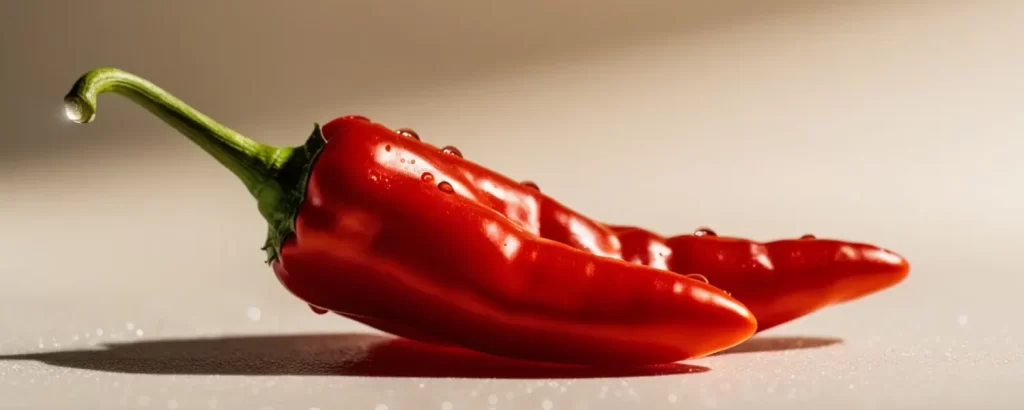
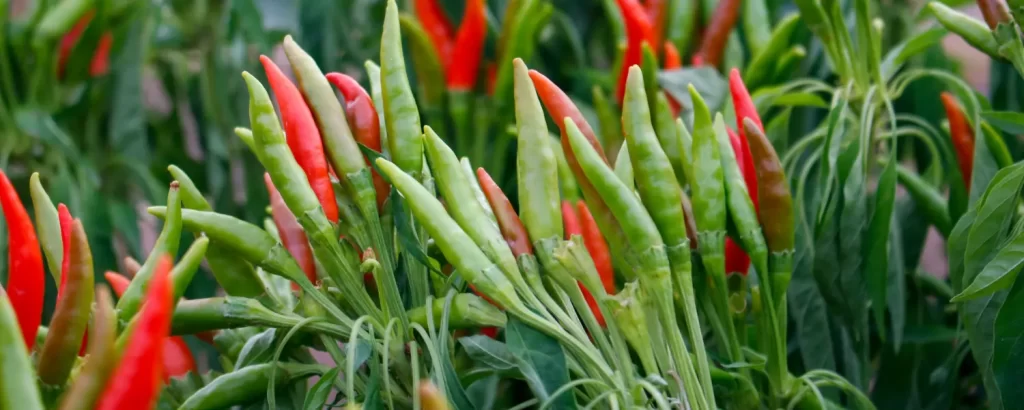
Lemon Water: A Global Health Craze India is the world’s largest producer and exporter of red chilli pepper. Known for its bold heat, deep color, and unmatched aroma, Indian red chilli pepper finds its way to kitchens and food industries across the globe. But how does this vibrant spice make its journey from Indian soil to international shelves? Let’s explore the full journey of red chilli pepper—from farm to port—unveiling what makes India the global hub of spice exports. 1. Cultivation: Where It All Begins India’s red chilli cultivation is concentrated in states like Andhra Pradesh, Telangana, Karnataka, and Tamil Nadu. These regions offer ideal agro-climatic conditions—hot temperatures, well-drained soils, and long sunny days. Popular Varieties Include: Teja Chilli – Extra hot and popular in Asia. Byadgi Chilli – Rich color, mild heat. Sannam 334 – Balanced pungency and high demand in the Middle East. Farmers plant chilli seedlings during monsoon season (June–July) and harvest the pods between December and March. The pods are then sun-dried naturally to retain their fiery essence and deep red hue. 2. Grading and Sorting After drying, the chillies are graded based on color, heat, size, and moisture levels. At this stage, exporters and spice processing units sort the products into bulk categories: Whole dry red chilli Stemless red chilli Crushed red chilli Red chilli flakes or powder Each grade is suited to different markets and applications—from food manufacturing to culinary use. Import products for your Needs Ready to Import 3. Quality Checks and Certifications Indian exporters ensure international-grade safety and hygiene standards through lab testing and certifications: ASTA Color Value (for international food safety) SHU (Scoville Heat Unit) analysis ISO 22000 / HACCP food safety certifications FSSAI compliance Pesticide residue checks These tests make Indian red chilli pepper export-worthy, giving global buyers confidence in purity, potency, and packaging integrity. 4. Packaging and Labeling After grading, the red chillies are packed in customized export packaging—from 5 kg to 50 kg jute bags, vacuum-sealed pouches, or laminated food-grade bags—based on buyer requirements. Each package includes: Lot numbers Grade specification Production and expiry date Country of origin: Product of India Handling instructions Proper labeling ensures smooth customs clearance at both ends. 5. Logistics and Export Compliance With paperwork, phytosanitary certificates, and customs clearances in place, the consignment is transported from warehouses to major Indian ports like Mundra, Nhava Sheva, or Chennai. Exporters rely on dry container shipping (FCL or LCL), depending on order size. Freight forwarding partners ensure timely shipping to: USA & Canada UAE, Saudi Arabia, and GCC UK & European Union Southeast Asia (Malaysia, Singapore, Vietnam) Transit time can range between 10–35 days, depending on the destination. 6. Global Reach: Serving the World’s Spice Needs Indian red chilli peppers are in high demand across: Food manufacturing units Restaurants and spice wholesalers Retail spice brands and private-label packaging companies Thanks to the robust Indian spice export ecosystem, buyers across the world get access to consistent quality and competitive pricing—backed by centuries of spice trade heritage. Import products for your Needs Ready to Import Frequently Asked Questions (FAQs) What are the most popular types of Indian red chilli pepper for export? Teja, Sannam 334, and Byadgi chillies are widely demanded globally due to their heat levels, color, and shelf life. How are red chilli peppers dried before export? They are sun-dried naturally for several days to reduce moisture, enhance shelf life, and retain their rich red color and aroma. Which countries import Indian red chilli pepper the most? India exports large volumes to the USA, UAE, UK, Saudi Arabia, Malaysia, and European Union countries. What is the minimum order quantity for export? MOQ varies by exporter, but typically starts from 500 kg to 1 metric ton, depending on packaging and variety. What certifications are needed to export red chilli peppers? Exporters usually hold ISO 22000, HACCP, FSSAI, and phytosanitary certificates. Some buyers may also request ASTA color or SHU ratings. How long does shipping take for red chilli pepper exports?Transit times depend on the destination. For instance, shipping to the UAE can take 7–10 days, while to Europe or the USA it may take 20–35 days. About us Exim Internationals is a premier export company dedicated to delivering the finest products from India to international markets. Our mission is to establish India as a global export powerhouse, contributing to economic growth and showcasing the richness of Indian goods worldwide. From the pashmina shawls and apples of the North to the spices of the South, the fruits and powders of the West, and the tea and bamboo of the East, we connect every corner of India with the global market. Certification we have: FSSAI, APEDA, IEC, UDYAM, FIEO, Spices Board, Coconut Contact us Samin heritage, Sl building, Shop no. 19, Chandan wadi, Almeda road Thane west, Maharashtra, India-400601. Email Us: support@eximinternationals.comCall Us: +91 9820446601 | +91 9321559185 You need to know: Can Lemon Water Help You Lose Weight? Is it Myth or Magic?

From Farm to Port: The Journey of Indian Red Chilli Pepper Exports Read Post »

indian ginger
Spices Export Import Vegetables

The Top 3 Indian States for Sourcing the Best Ginger

India, the world’s largest producer of ginger, offers a diverse range of this pungent spice, each with unique characteristics influenced by the region’s climate and soil. For international buyers and importers, understanding the key ginger-producing states is crucial for sourcing the best quality product. The flavour profile, fibre content, and size of the rhizome can vary significantly from one state to another. This guide explores the top three Indian states that are renowned for producing the finest ginger, making them prime locations for sourcing high-quality Indian ginger for the global market. The Quest for Premium Indian Ginger When sourcing ginger from India, importers look for specific qualities: a strong aroma, a sharp and pungent taste, optimal size, and low fibre content. These attributes are critical for various applications, from culinary uses in international cuisines to extraction for oils and oleoresins. The agro-climatic conditions of a region play a pivotal role in shaping these qualities. For businesses looking to buy high-quality Indian ginger, knowing where to look is the first step towards a successful import venture. 1. Kerala: The Land of Spices and Superior Ginger Kerala, often called the “Spice Garden of India,” has a long and storied history of cultivating some of the world’s most sought-after spices, and ginger is no exception. The state’s tropical climate, characterized by heavy and well-distributed rainfall, and its fertile, well-drained soils create the perfect environment for growing superior quality ginger. Why Source Ginger from Kerala? Exceptional Varieties: Kerala is home to popular and traditionally acclaimed ginger varieties like ‘Maran’ and ‘Kuruppampadi’. These varieties are known for their lower fibre content and strong, zesty flavour, making them highly desirable for both fresh and dry ginger exports. High Oleoresin Content: The ginger grown in Kerala, particularly in the hilly regions of the Western Ghats, is noted for its high oleoresin content. This makes it a preferred choice for industries involved in producing ginger oil and other extracts. Established Export Hub: With major ports like Cochin, Kerala has a well-established infrastructure for the export of spices. This ensures a streamlined process from procurement to shipping, making it a reliable source for ginger suppliers in India. The Cochin ginger is globally recognized for its quality. For importers prioritizing flavour and aromatic intensity, Kerala stands out as a premier sourcing destination. Import products for your Needs Ready to Import 2. Karnataka: The Emerging Leader in Ginger Production In recent years, Karnataka has emerged as a significant player in the Indian ginger market, consistently ranking among the top producing states. The Malnad region of Karnataka, with its fertile soil and favourable climate, has become a major hub for ginger cultivation. What Makes Karnataka’s Ginger Special? Large-Scale Cultivation: Karnataka boasts extensive areas dedicated to ginger farming, particularly in districts like Shivamogga, Chikkamagaluru, and Kodagu. This large-scale production ensures a consistent and voluminous supply for bulk buyers. Focus on High-Yield Varieties: Farmers in Karnataka often cultivate high-yield ginger varieties. This focus on productivity, combined with good agricultural practices, results in a robust supply chain for the Indian ginger export market. Proximity to Major Ports: The state’s proximity to major ports on the west coast facilitates efficient logistics for international trade. This geographical advantage helps in reducing transportation time and costs, ensuring the freshness of the exported indian ginger. Karnataka offers a compelling combination of quantity and quality, making it an attractive sourcing location for importers with large volume requirements. 3. Assam: The Hub of Organic and Potent Ginger Nestled in the northeastern part of India, Assam is gaining recognition for its potent and flavourful ginger, especially its organic varieties. The state’s unique agro-climatic conditions, characterized by fertile alluvial soil and abundant rainfall, contribute to the distinct quality of its ginger. The Assam Advantage: Renowned Local Varieties: Assam is famous for its indigenous ginger varieties like ‘Nadia’ and ‘Jorhat Local’. These are particularly known for their pungency and strong medicinal properties. The ‘Karbi Anglong’ ginger from Assam has even received a Geographical Indication (GI) tag for its unique organic quality. Growing Organic Market: There is a strong emphasis on traditional and organic farming methods in many parts of Assam. This makes it a prime destination for sourcing organic ginger from India, catering to the growing global demand for chemical-free produce. Unique Flavour Profile: The ginger from Assam has a sharp, penetrating aroma and a distinctively pungent taste that is highly valued in culinary circles and for its therapeutic applications. For buyers looking to tap into the premium organic market or source ginger with a particularly strong and zesty flavour, Assam is an excellent choice. Making the Right Sourcing Decision Choosing the right state for sourcing Indian ginger depends on your specific business needs. Kerala offers premium, flavour-rich ginger with a high oleoresin content, ideal for high-end culinary and extraction purposes. Karnataka provides a consistent, large-scale supply of quality ginger, perfect for bulk importers. Assam, with its potent and often organically grown ginger, caters to the niche but growing market for organic and high-potency spices. By understanding the unique strengths of each of these top ginger-producing states, importers can make informed decisions, ensuring they procure the best quality Indian ginger that meets their requirements and satisfies their customers worldwide. Frequently Asked Questions (FAQs) Which Indian state is the largest producer of ginger? While production figures can vary annually due to climatic conditions, states like Madhya Pradesh, Karnataka, and Assam are consistently among the largest producers of ginger in India. What is the best time of year to source fresh Indian ginger? The main harvesting season for ginger in India is typically from December to March. This is the best time to source fresh, high-quality ginger directly from the producing regions. What is ‘Karbi Anglong’ ginger, and why is it special? ‘Karbi Anglong’ ginger is a variety grown in the Karbi Anglong district of Assam. It has been granted a Geographical Indication (GI) tag and is renowned for being cultivated organically, having a unique pungent flavour and high medicinal value. How can I ensure

The Top 3 Indian States for Sourcing the Best Ginger Read Post »

green chilli
Spices Export Import Vegetables

Top 5 Varieties of Indian Green Chilli You Should Be Importing

India’s reputation as the “Land of Spices” is world-renowned, and at the heart of its fiery culinary tradition is the humble yet potent green chilli. For international businesses, importing Indian green chillies offers a direct route to providing authentic, high-demand flavour to customers. The diversity in heat, size, and flavour across different varieties means there’s a perfect Green Chilli Indian variety for every palate and purpose. As experienced Indian chilli exporters, we understand the nuances that make each chilli unique. This guide will walk you through the top five varieties of green chilli that are consistently in high demand in the global market, making them a lucrative choice for your import business. 1. G4 Green Chilli (Guntur Chilli) When importers look for a reliable, commercially successful variety, the G4 green chilli, also known as the Guntur green chilli, is often the first choice. Hailing from the Guntur district of Andhra Pradesh, a region responsible for a significant portion of India’s chilli production, the G4 is the undisputed king of the export market. Its popularity stems from a perfect balance of heat, flavour, and durability. With a thick skin, it has a longer shelf life compared to more delicate varieties, which is a critical factor for international shipping. The G4 green chilli offers a sharp, pungent heat that is essential for authentic Indian, Southeast Asian, and Mexican cuisines. Its robust nature makes it ideal for fresh use, pickling, and creating sauces and pastes. For any importer, the G4 is a staple and a guaranteed bestseller. 2. Jwala Chilli (Finger Hot Pepper) Literally translating to “Volcano” in Hindi, the Jwala chilli lives up to its name. Predominantly grown in Gujarat, the Jwala is one of the most popular green chillies for everyday use in Indian households. These chillies are long, slender, and have a wrinkled appearance with a pungent, fiery taste. While they pack a significant punch, their heat is not overpowering, making them incredibly versatile. Jwala chillies are a favourite for making pickles, flavouring oils, and as a fresh, zesty accompaniment to meals. Their distinct flavour profile is highly sought after by culinary professionals and home cooks aiming to replicate authentic Indian flavours. As an importer, offering Jwala chillies caters to a market that appreciates a genuine, spicy kick. 3. Byadgi Chilli For those seeking vibrant colour without overwhelming heat, the Byadgi chilli from Karnataka is an exceptional choice. While famous for its deep red colour when dried, the green Byadgi is prized for its mild pungency and distinct aroma. This makes it an excellent option for markets that favour flavour and colour over intense spiciness. The green Byadgi is perfect for culinary applications where a subtle warmth and a rich green hue are desired. It’s a favourite for gourmet food producers, particularly in the creation of marinades, salsas, and spice blends where it imparts flavour without dominating other ingredients. Importing green Byadgi chillies allows you to cater to a more nuanced segment of the speciality foods market. Import products for your Needs Ready to Import 4. Kanthari Chilli (Bird’s Eye Chilli) Don’t let its small size fool you; the Kanthari chilli, or Bird’s Eye Chilli, packs a serious punch. Primarily grown in Kerala and parts of Tamil Nadu, this tiny powerhouse is known for its sharp, fiery heat that dissipates quickly. When green, they have a fresh, almost fruity flavour note that complements their spiciness. Kanthari chillies are a premium variety, sought after by chefs and hot sauce aficionados. They are incredibly versatile and can be used in stir-fries, infused oils, and spicy condiments. Due to their potent heat, a little goes a long way, making them a cost-effective choice for adding significant spice. Offering Kanthari chillies can position your business as a supplier of high-quality, specialty green chilli to a discerning clientele. 5. Guntur Sannam (S4) Another star from the Guntur region, the Guntur Sannam or S4 chilli, is globally recognized for its quality and heat. While often traded in its dried red form, the fresh green chilli is equally valuable. It is cherished for its consistent heat levels, which fall in the medium-to-hot range on the Scoville scale, and its rich flavour profile. The S4 variety is a workhorse in the culinary world. Its skin is thick, contributing to a good shelf life, and its size is consistent, making it ideal for processing and packaging. Importers favour the Guntur Sannam for its versatility; it’s perfect for fresh consumption, drying, powdering, and extraction of oleoresin, which is used in food colouring and flavouring. Stocking this variety ensures you have a reliable and multi-purpose Green Chilli Indian option for a broad range of buyers. Your Partner in Sourcing the Best Indian Green Chilli Choosing the right varieties is crucial for a successful import business. Each of these five chillies—from the commercially robust G4 green chilli to the fiery Kanthari—offers unique characteristics that cater to diverse global tastes. At Exim Internationals, we specialize in sourcing and exporting the highest quality Indian green chilli. We ensure our products meet stringent international standards for freshness, quality, and safety. Partner with us to bring the authentic taste of India to your market. Frequently Asked Questions (FAQs) What is the average shelf life of fresh Indian green chillies during transport? With proper packaging, such as corrugated boxes with adequate ventilation, and refrigerated transport, fresh green chillies like the G4 variety can have a shelf life of approximately 2-3 weeks, ensuring they arrive fresh at their destination. Which green chilli variety is best for making sauces and pastes? The G4 green chilli is an excellent choice for sauces and pastes due to its thick flesh, robust flavour, and consistent heat level. Its durability also ensures it holds up well during processing. How is the heat of a chilli measured, and which of these is the hottest? Chilli heat is measured in Scoville Heat Units (SHU). Among the varieties listed, the Kanthari (Bird’s Eye Chilli) is typically the hottest, often ranging from 50,000 to 100,000 SHU.

Top 5 Varieties of Indian Green Chilli You Should Be Importing Read Post »

fenugreek oil for hair
Export Import Spices

What Happens When You Use Fenugreek Oil on Your Hair for 30 Days?

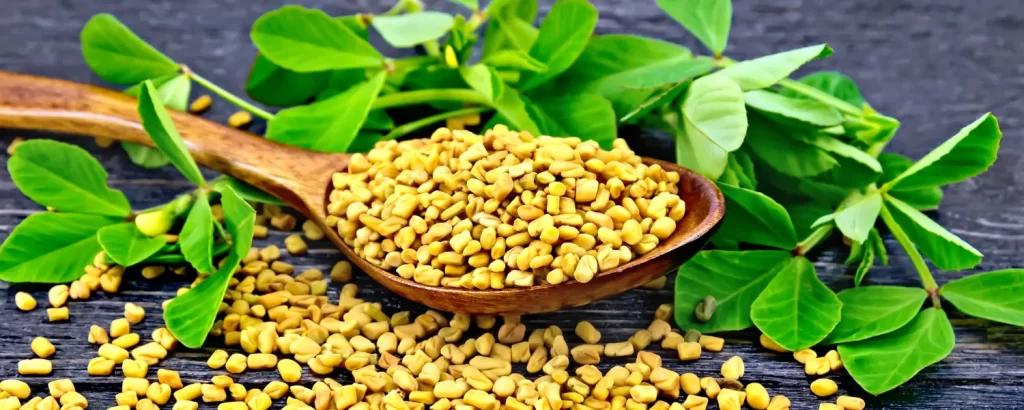
The quest for luscious, healthy hair is ancient, but some of the most potent solutions are timeless. Enter fenugreek oil, a golden elixir derived from methi seeds, celebrated for generations for its remarkable hair benefits. But what truly happens when you commit to using it? We embark on a hypothetical 30-day fenugreek oil for hair challenge to document the week-by-week transformation. The 30-Day Fenugreek Oil Hair Challenge: An Introduction For this challenge, the goal is consistent application—using fenugreek oil as a pre-shampoo treatment or a scalp massage oil at least twice a week. Packed with nicotinic acid, protein, and lecithin, the expectations are high: reduced hair fall, a healthier scalp, improved hair texture, and perhaps even a boost in growth. Let’s dive into the journey. Week 1: Laying the Foundation for a Healthy Scalp The first week is all about setting the stage. Upon the first few applications, the most immediate sensation is one of soothing relief for the scalp. Initial Observations: Scalp Health Improvement: If you suffer from dryness or mild dandruff, the anti-inflammatory and antifungal properties of fenugreek oil get to work quickly. The scalp feels more hydrated and less itchy. This is a crucial first step, as a healthy scalp is the bedrock of healthy hair. Subtle Softening: While dramatic changes aren’t visible yet, the hair feels slightly softer to the touch after washing. The oil’s conditioning properties begin to coat the hair shaft, providing a preliminary layer of moisture. The natural, earthy scent of methi oil is also a unique, therapeutic experience. During this phase, the key is consistency. The nutrients are beginning to penetrate the hair follicles and scalp, preparing for more significant changes ahead. Week 2: Seeing is Believing – Reduced Hair Fall and Added Sheen By the second week, tangible results begin to appear, boosting motivation to continue the challenge. This is where the strengthening properties of fenugreek oil for hair truly start to manifest. Noticeable Changes: Drastic Reduction in Hair Fall: This is often the most celebrated benefit. When combing or washing your hair, you’ll notice significantly fewer strands left behind. The proteins and amino acids in fenugreek work to fortify the hair roots, directly combating hair shedding. Emergence of a Natural Shine: Dull, lifeless hair starts to gain a noticeable lustre. The oil smooths the hair cuticles, allowing them to reflect more light. This isn’t an artificial, product-induced shine, but a genuine sign of healthier, more hydrated hair. Import products for your Needs Ready to Import Week 3: The Turning Point – Enhanced Strength and Volume As you enter the third week, the cumulative effects become much more pronounced. The changes are not just visible but can be felt in the texture and body of your hair. Significant Transformations: Improved Hair Elasticity and Strength: Hair feels stronger and is less prone to breakage. When you run your fingers through it, it feels more resilient and robust. The high protein content helps to repair the hair structure from within, reducing the brittleness that leads to split ends. A Feeling of Fullness: While you may not have grown inches of new hair, the reduced breakage and fortified roots contribute to an overall appearance of more volume. Your hair may feel bouncier and look fuller at the roots. Week 4: The Grand Reveal – The Full Spectrum of Benefits Completing the 30-day journey reveals the comprehensive impact of this potent natural oil. The final week is about appreciating the full transformation and the long-term benefits of incorporating fenugreek oil for hair into your routine. The Final Results: Visibly Healthier Hair: Your hair now looks and feels fundamentally healthier. The combination of a nourished scalp, strengthened roots, and repaired hair shafts results in hair that is soft, shiny, and resilient. Optimal Scalp Condition: Any previous issues with dandruff or itchiness are likely gone, replaced by a clean, balanced, and well-hydrated scalp environment. Foundation for Growth: By preventing breakage and nourishing the follicles, you have created the ideal conditions for promoting healthy fenugreek oil for hair growth. Some may even notice the beginnings of new “baby hairs” around the hairline. The Verdict: Is a 30-Day Fenugreek Oil Challenge Worth It? Absolutely. Committing to a month of consistent use of fenugreek oil isn’t just a temporary fix; it’s an investment in the long-term health of your hair. From tackling the root cause of hair fall to delivering a beautiful, natural sheen, the benefits are undeniable. This 30-day journey proves that the ancient wisdom behind fenugreek oil for hair holds powerful truths for modern hair care needs. Frequently Asked Questions (FAQs) How often should I use fenugreek oil for hair for the best results in 30 days? For optimal results during a 30-day challenge, it’s recommended to apply fenugreek oil to your scalp and hair 2 to 3 times per week. Consistency is more important than quantity. Can I leave fenugreek oil in my hair overnight? Yes, for a deep conditioning treatment, you can apply the oil before bed and wash it out in the morning. This allows the nutrients to fully penetrate the scalp and hair shafts. Just be sure to protect your pillow with a towel or cap. Will fenugreek oil make my hair greasy? When used as a pre-shampoo treatment and washed out thoroughly with a good quality shampoo, fenugreek oil will not leave your hair greasy. It will leave it feeling soft and conditioned. Is fenugreek oil suitable for all hair types? Yes, fenugreek oil for hair is beneficial for all hair types, from dry and damaged to oily. It helps balance scalp oil production while providing essential moisture and protein. Can I make my own fenugreek oil at home? Absolutely. A popular DIY method involves infusing fenugreek seeds (methi dana) in a carrier oil like coconut or olive oil over low heat. This homemade fenugreek oil is a fresh and potent option. What are the main signs that fenugreek oil for hair is working for my hair? The first signs are usually

What Happens When You Use Fenugreek Oil on Your Hair for 30 Days? Read Post »

Cumin Spice
Export Import Spices

How to Store Bulk Cumin Spice to Retain Maximum Freshness

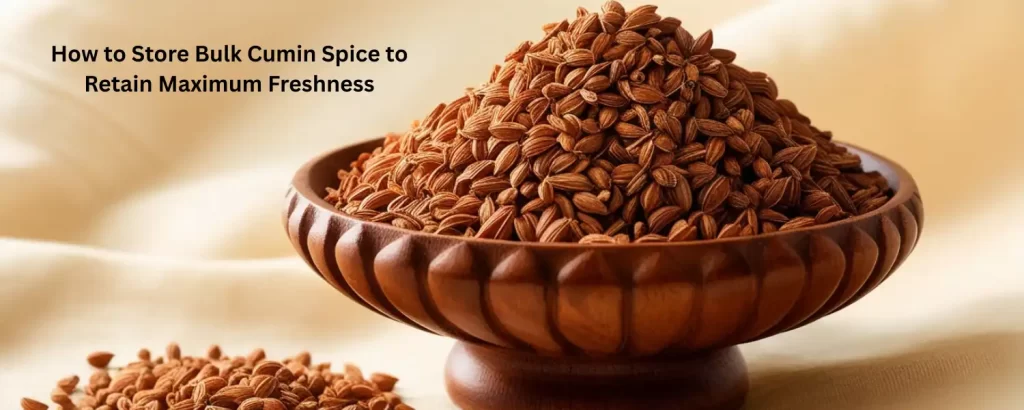
For any business dealing in spices, from international importers to local distributors, the quality of the product is paramount. Cumin spice, with its distinctively warm and earthy aroma, is a staple in global cuisine. Sourcing high-quality Indian cumin is the first step, but preserving its potent flavour and aromatic profile is what truly protects your investment and ensures customer satisfaction.   Storing cumin in large, commercial quantities presents unique challenges. Unlike a small jar in a home kitchen, bulk inventory may be held for weeks or months. During this time, exposure to environmental factors can significantly degrade its quality. This guide provides professional best practices for storing bulk cumin spice, ensuring that the last bag is as fresh as the first. Why Proper Storage of Cumin Spice is Crucial for Your Business The volatile oils, or essential oils, in cumin are responsible for its signature taste and aroma. Improper storage causes these oils to evaporate, leading to a weak, stale product. For a business, this translates to: Financial Loss: Degraded stock is unsellable and must be discarded. Customer Dissatisfaction: Inconsistent or poor-quality cumin will damage your reputation. Wasted Investment: The effort and capital spent on sourcing premium cumin from a reliable cumin supplier are wasted if the product spoils in your warehouse. Proper storage is not just a recommendation; it’s a critical component of quality control and supply chain management. Whole Cumin Seeds vs. Ground Cumin: A Storage Perspective Understanding the form of your cumin is essential, as their storage needs and shelf life differ significantly. Whole Cumin Seeds: The outer seed coat acts as a natural protective barrier for the essential oils inside. This gives whole cumin seeds a much longer shelf life, often lasting up to 3-4 years under ideal conditions. The flavour remains locked within until the seeds are crushed or ground. Ground Cumin: Grinding increases the surface area exposed to the elements, making it far more susceptible to degradation. Ground cumin loses its potency much faster than whole seeds, typically having a shelf life of about 6 months to a year. For businesses, storing whole cumin seeds and grinding them as needed is the most effective strategy for guaranteeing freshness. If you deal primarily in ground cumin, meticulous storage is even more critical. Import products for your Needs Ready to Import The Four Enemies of Cumin Spice Freshness To maintain cumin quality, you must protect it from four primary adversaries: light, heat, air, and moisture. 1. Light (The Fader) Direct exposure to sunlight or even harsh fluorescent lighting can be detrimental. The UV rays act as a catalyst for chemical reactions that break down the spice’s chemical compounds, causing its rich brown colour to fade and its flavour to weaken.   Solution: Always store cumin in opaque, light-proof containers. If packed in clear bags, they should be placed inside larger, light-blocking cartons or stored in a completely dark room.   2. Heat (The Volatilizer) Heat is perhaps the biggest enemy of spice freshness. It accelerates the evaporation of volatile oils, causing the aroma—and thus the flavour—to dissipate into the air. Storing cumin near heat sources like ovens, machinery, or in a warehouse with poor temperature control is a recipe for rapid quality loss.   Solution: Designate a dedicated cool storage area. The ideal temperature for preserving spice aroma is consistently below 20°C (68°F).   3. Air (The Oxidizer) Oxygen in the air causes oxidation, a chemical process that makes fats go rancid and flavours turn stale. The more air your cumin is exposed to, the faster this process occurs. This is why a half-empty container of ground cumin will lose its flavour faster than a full one.   Solution: Use airtight containers. For bulk quantities, this means food-grade, sealable drums, bins, or multi-wall bags with airtight liners. When portioning out smaller amounts, ensure the main container is resealed securely and immediately.   4. Moisture (The Clumper) Moisture is disastrous for dried spices. It causes ground cumin to clump, making it difficult to use. More dangerously, it creates the perfect breeding ground for mould and bacteria, rendering your entire stock unsafe and unusable. High humidity is just as damaging as direct contact with water.   Solution: Store cumin in a dry environment with a relative humidity below 60%. Never handle cumin with wet scoops or in a steamy environment. Desiccants can be used in storage areas to help control humidity, but they should not come into direct contact with the product unless they are food-grade. Best Practices for Storing Bulk Cumin Spice Choose the Right Containers: Invest in food-grade, airtight, and opaque containers suitable for bulk storage. Stainless steel bins are an excellent, non-reactive option. For products received from a cumin exporter, keeping them in their original sealed, multi-wall paper or foil-lined sacks is ideal until they need to be opened. Control the Storage Environment: The mantra is Cool, Dark, and Dry. Your warehouse or storage room should be well-ventilated but shielded from direct sunlight and away from external walls that can fluctuate in temperature. Implement a “First-In, First-Out” (FIFO) System: This inventory management practice ensures that older stock is used before newer stock. It prevents packages from being left at the back of the shelf for extended periods, guaranteeing a fresh and consistent product turnover. Label all containers with the date of receipt. Conduct Regular Quality Checks: Periodically open a sample to check the cumin spice quality. Your senses are the best tools: check for a strong, pungent aroma, consistent colour, and a dry, loose texture. Any sign of clumping, mould, or a weak “dusty” smell indicates a problem. Properly storing your bulk cumin spice is a non-negotiable business practice. It safeguards the quality of your product, protects your bottom line, and reinforces your reputation as a provider of premium spices. From sourcing from a reliable cumin supplier to managing your inventory with care, every step is crucial in delivering the freshness your customers expect. Frequently Asked Questions (FAQs) Q1. What is the ideal temperature

How to Store Bulk Cumin Spice to Retain Maximum Freshness Read Post »

Fennel Seeds
Spices Export Import

What Makes Indian Fennel Seeds the Best in the World?

In the vast and vibrant world of spices, few seeds command the subtle yet distinct presence of fennel. Known globally for its sweet, licorice-like aroma, this versatile spice is a cornerstone in culinary traditions spanning continents. However, when discerning chefs, global importers, and spice connoisseurs seek the pinnacle of quality, their compass invariably points to India. But what is it that elevates Indian fennel seeds, locally cherished as saunf, to a status of global superiority?   The answer isn’t a single trait but a harmonious blend of ideal climate, rich aromatic properties, meticulous cultivation practices, and deep-rooted cultural significance. Let’s journey into the fields of India to uncover why its fennel seeds are truly the best in the world. The Perfect Terroir: India’s Unique Climatic Advantage The secret to any premium agricultural produce begins with the soil and climate—its terroir. India offers the perfect conditions for growing Foeniculum vulgare with an unmatched flavour profile. States like Gujarat and Rajasthan are the epicentres of fennel cultivation, boasting an arid to semi-arid climate that is crucial for the crop.   This environment, characterized by abundant sunshine and well-drained soils, stresses the plant just enough to concentrate its essential oils. This natural process results in seeds that are not just flavourful but are also densely packed with the aromatic compounds that define high-grade fennel. This unique climatic advantage gives Indian fennel a robust character that is difficult to replicate elsewhere. A Richer Flavour and Potent Aroma The ultimate test for any spice is its flavour and aroma, and this is where Indian fennel seeds truly outshine their global counterparts. The defining characteristic is a higher concentration of anethole, the organic compound responsible for its signature sweet, anise-like scent.   While other fennel varieties might offer a milder taste, the Indian variant delivers a potent and complex flavour profile—sweet, warm, and slightly woody. This makes it incredibly versatile. Whether used whole in a tadka (tempering), ground into a spice blend like garam masala, or brewed into a soothing tea, its presence is unmistakable. For any importer, this potent flavour means that a smaller quantity of Indian fennel seeds can deliver a bigger impact, offering greater value. Meticulous Cultivation and Post-Harvest Care The journey from a tiny seed to a globally exported spice is one of care and tradition. Indian farmers employ cultivation practices that have been refined over generations. The timing of the harvest is critical; the seed clusters are plucked just as they mature but before they shatter, ensuring that every precious seed is collected at its peak.   Following the harvest, the seeds undergo a natural sun-drying process. This traditional method is vital for preserving the delicate essential oils and preventing the growth of mould. By avoiding harsh, artificial heating methods, Indian suppliers ensure the fennel seeds retain their vibrant green hue, rich aroma, and nutritional integrity, meeting the stringent quality standards of the international market. Import products for your Needs Ready to Import A Spectrum of Varieties for Every Global Need India’s strength as a leading fennel seeds exporter also lies in its ability to offer a diverse range of grades and varieties. Buyers can choose based on size, colour, and the percentage of essential oils. This allows importers to source the specific type of fennel that best suits their market, whether it’s for high-end culinary use, medicinal extracts, or inclusion in food products.   From the bold, greenish kernels preferred in Europe to the smaller, more aromatic seeds used in Asian cuisine, Indian suppliers can cater to every need. This flexibility makes India a reliable, one-stop source for bulk fennel seeds. The Heart of Culinary and Wellness Traditions In India, fennel seeds are more than just a spice; they are a cultural institution. They are the quintessential mouth freshener (mukhwas) served after meals, celebrated for their digestive properties. This deep-rooted belief in the health benefits of fennel—from soothing indigestion to providing a rich source of antioxidants—has been backed by modern science.   This extensive domestic use ensures a consistent demand and a well-established supply chain focused on quality. When you import fennel seeds from India, you are not just buying a commodity; you are sourcing a product that is deeply understood, respected, and consumed by over a billion people.   In conclusion, the superiority of Indian fennel seeds is no coincidence. It is the result of a perfect synergy between nature’s gifts and human expertise. The ideal climate provides the foundation, the inherent genetics deliver the potent aroma, and generations of farming wisdom ensure that the final product is nothing short of world-class. For global buyers looking for unmatched quality and authentic flavour, Indian fennel seeds remain the undisputed gold standard. Frequently Asked Questions (FAQs) Q1. Why are Indian fennel seeds more aromatic than others? Indian fennel seeds are grown in a unique arid to semi-arid climate that concentrates their essential oils, particularly anethole. This compound is responsible for their potent, sweet, and licorice-like aroma, making them more fragrant than fennel grown in other regions.   Q2. What is ‘saunf’ and how is it different from fennel? ‘Saunf’ is the Hindi name for fennel seeds. They are the same spice, but the term ‘saunf’ often refers to the specific varieties grown in India, which are celebrated for their superior flavour and use as a traditional mouth freshener and digestive aid.   Q3. Are there different grades of Indian fennel seeds for export? Yes, as a leading fennel seeds supplier, India offers several grades based on factors like seed size, colour (ranging from bright green to yellowish-brown), and purity. This allows importers to select the quality that best fits their specific culinary or commercial needs.   Q4. What are the primary health benefits of consuming fennel seeds? Fennel seeds are well-known for their digestive properties, helping to reduce indigestion, bloating, and gas. They are also a rich source of antioxidants, fibre, and minerals like manganese, which contributes to overall health and wellness.   Q5. How should I store bulk fennel

What Makes Indian Fennel Seeds the Best in the World? Read Post »

Scroll to Top
exim international logo

Get Our Products Pricing

Fill out the form to download!